
Patrick WeissingerCreativity Against the Throwaway Culture
For this entrepreneur from the Waldviertel region, creativity is driving ecological transformation.
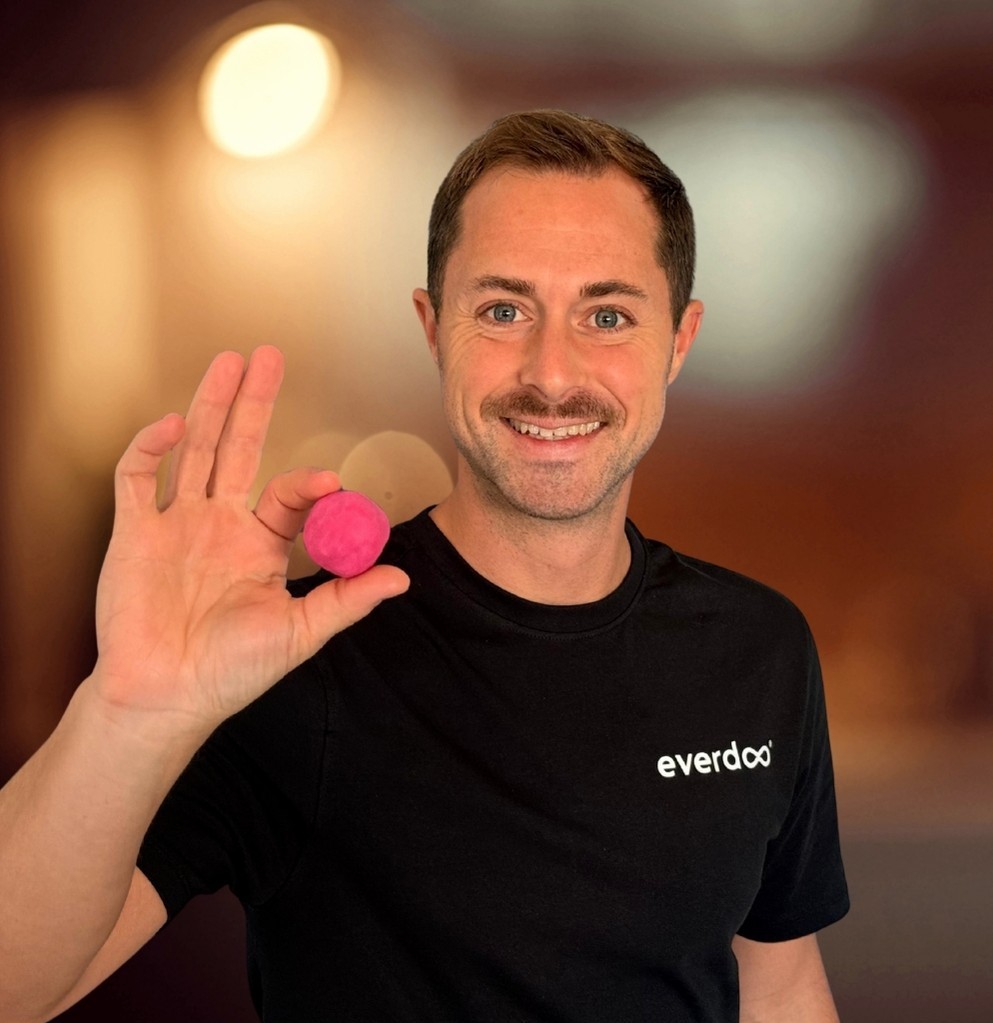
Patrick Weissinger, founder of Everdoo from the Waldviertel region, impressively demonstrates how creativity can become a driving force for ecological transformation. His story is also one of perseverance, countless setbacks, and the conviction that new approaches pay off if you’re willing to fight for them long enough. Today, his modeling clay is not just a children’s toy, but an attempt to reimagine an entire industry in a new and more sustainable way.
When innovation arises where no one expects it
Patrick doesn’t actually come from the toy industry. For many years, he worked in the development of new technologies involving fiber optics. His projects ranged from sensors in boreholes to measurement technology on satellites to systems for monitoring tectonic movements on the seafloor. “I figured there must already be a hundred companies offering something like this,” Patrick recalls of the moment when the idea for Everdoo was born. But as extensive research would later reveal, that wasn’t quite true.
While working on a technological project, the father discovered a process that could be used to simulate colors and later make them invisible again. Although the original idea failed, as is so often the case in creative processes, a failure suddenly gave rise to something completely new. When his daughter began playing with modeling clay, he noticed just how short-lived the product actually is. Colors mix together, the clay dries out, and eventually ends up in the trash. One question kept nagging at him: Couldn’t the color-neutralizing technology be integrated into modeling clay?
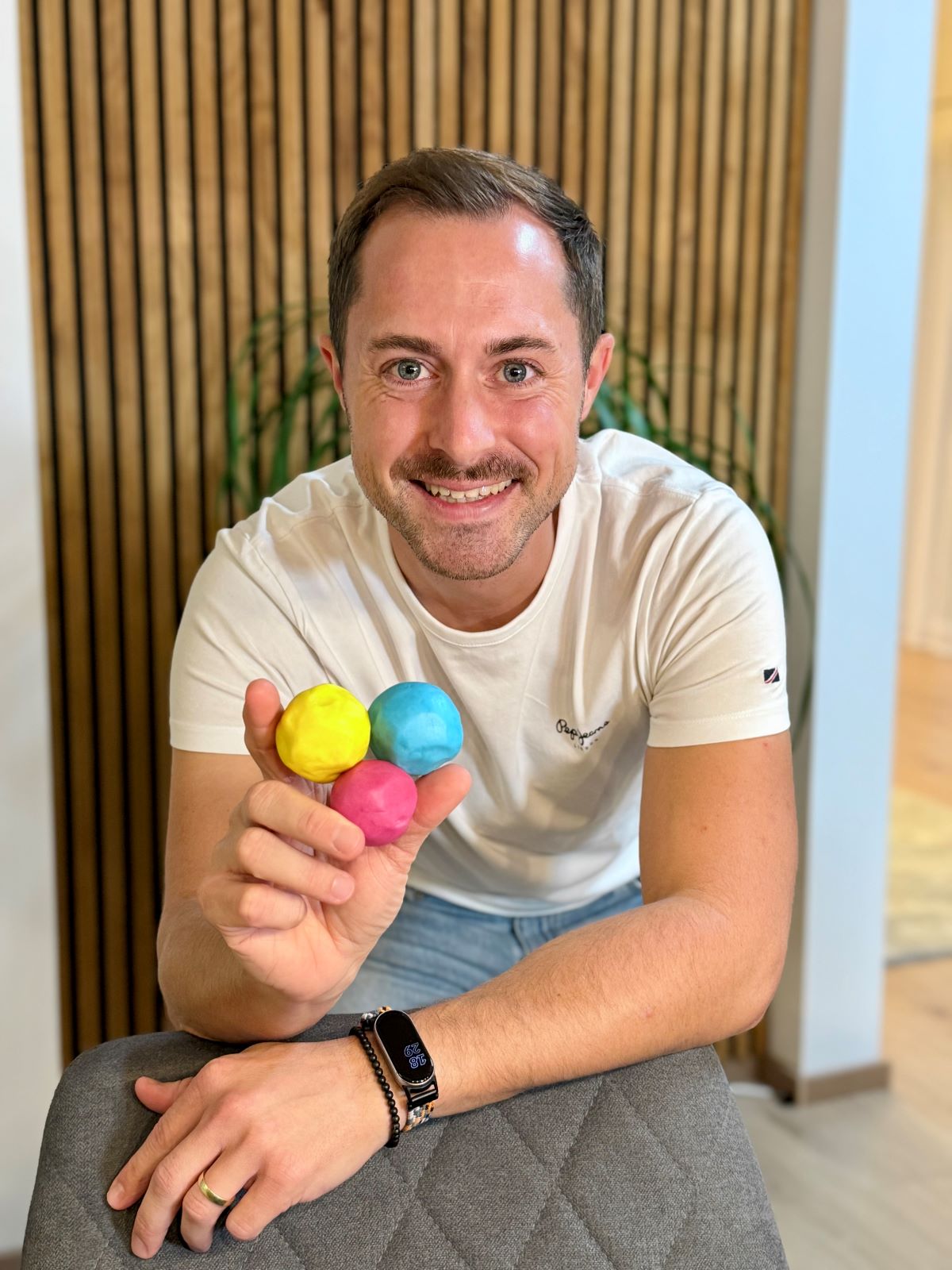
His first attempt took place in his garage at home. Using homemade modeling clay and special pigments, he achieved something that even surprised him. The colors could indeed be neutralized again and again. What initially looked like a small experiment quickly developed into a discovery with international potential.
Sustainability begins when you question business models
Many companies improve existing products. Patrick, on the other hand, questioned the entire system behind them. During his market analysis, he noticed that virtually all providers operate on the same principle: wear and tear creates the need for replacement purchases. The products are used up and must be replaced. From an economic perspective, this makes sense. From the perspective of sustainability and resource consumption, however, it is problematic.
“I realized that modeling clay, as we know it today, is a disposable product accepted by society.”
Patrick Weissinger
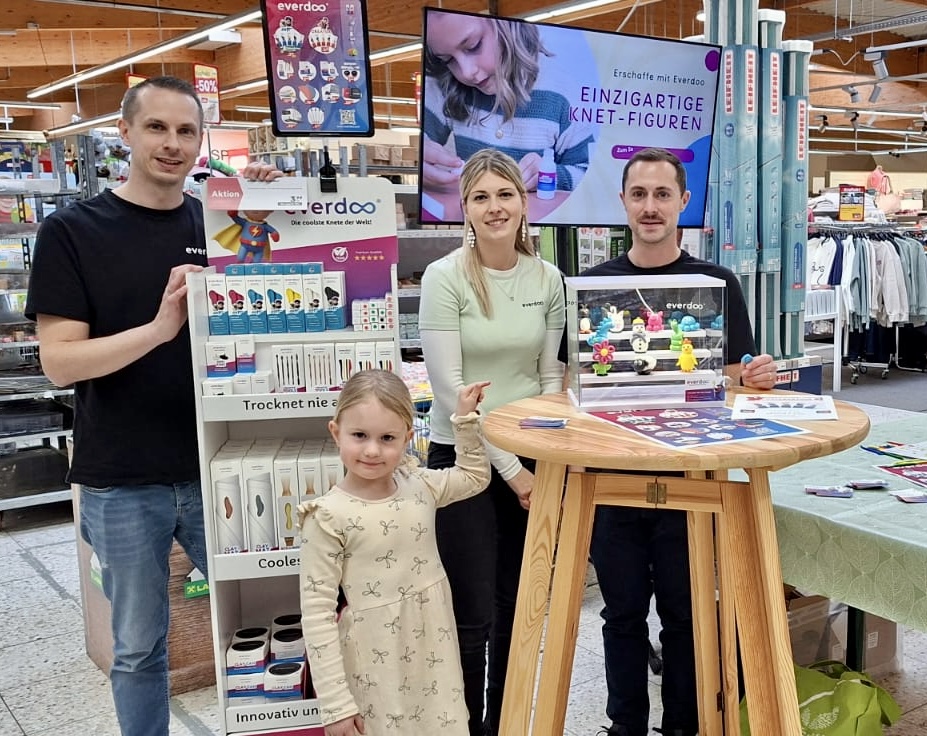
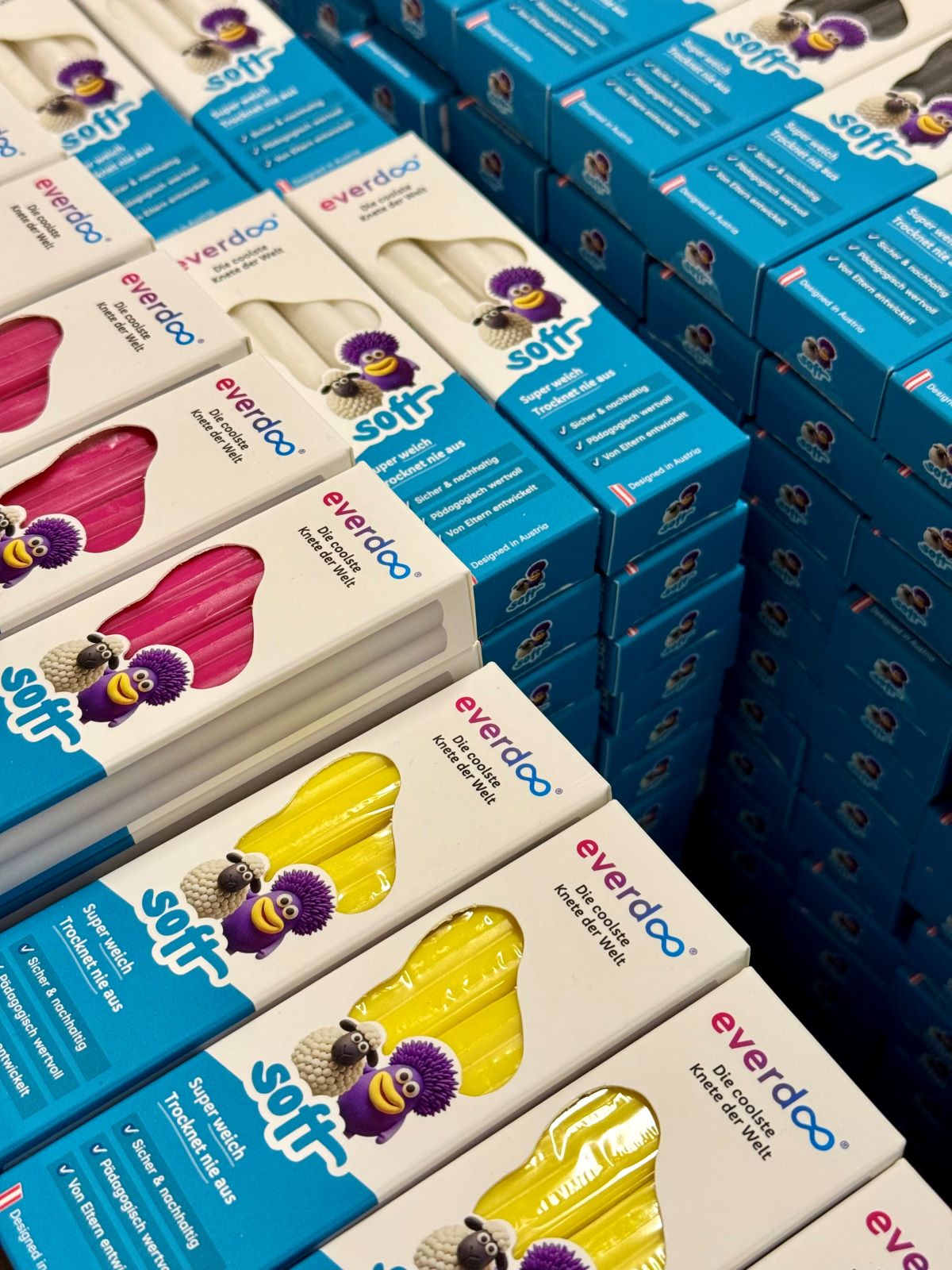
This highlights the role of creativity in the ecological transformation. Sustainable innovation often arises not from small adjustments, but from a willingness to fundamentally question existing patterns. Everdoo therefore takes a different approach. Instead of simply selling modeling clay, the company is developing a modular creative-play system. The focus is on durability, product safety, educational value, and creative expandability. The first products are never-drying modeling clays in various degrees of hardness, some of which fall within a category familiar to many creative people as “Plastilin.” The clay does not dry out, accessories are designed to offer real benefits, and new applications are constantly emerging. What began as a product idea has evolved into a platform for creative play and learning.
Six Years of Hope and Frustration
From the outside, many innovations seem surprisingly simple. A product idea is conceived, the product is manufactured, and then it’s sold. The reality is usually quite different. At Everdoo, it took about six years of development from the initial idea to market-ready products—years filled with uncertainty, financial strain, and technical challenges. The entrepreneur from the Waldviertel region not only invested a significant portion of his savings; to this day, he also works a full-time job that requires international travel.
“There were many moments when I wanted to throw in the towel.”
Patrick Weissinger
It’s a sentiment that many founders can probably relate to. Anyone who develops something new will inevitably run into problems that no one can foresee. Solutions take time, money, and often a lot of patience. Many ideas fail not because of a lack of creativity, but because the journey from idea to implementation takes longer than expected. That’s precisely why Patrick’s story serves as an important counterpoint to the often-romanticized world of startups. Behind every successful innovation lie countless decisions, failed attempts, and adjustments. Success isn’t determined by talent alone, but often by the ability to keep going even when progress is barely visible.
Creativity needs an environment that fosters it
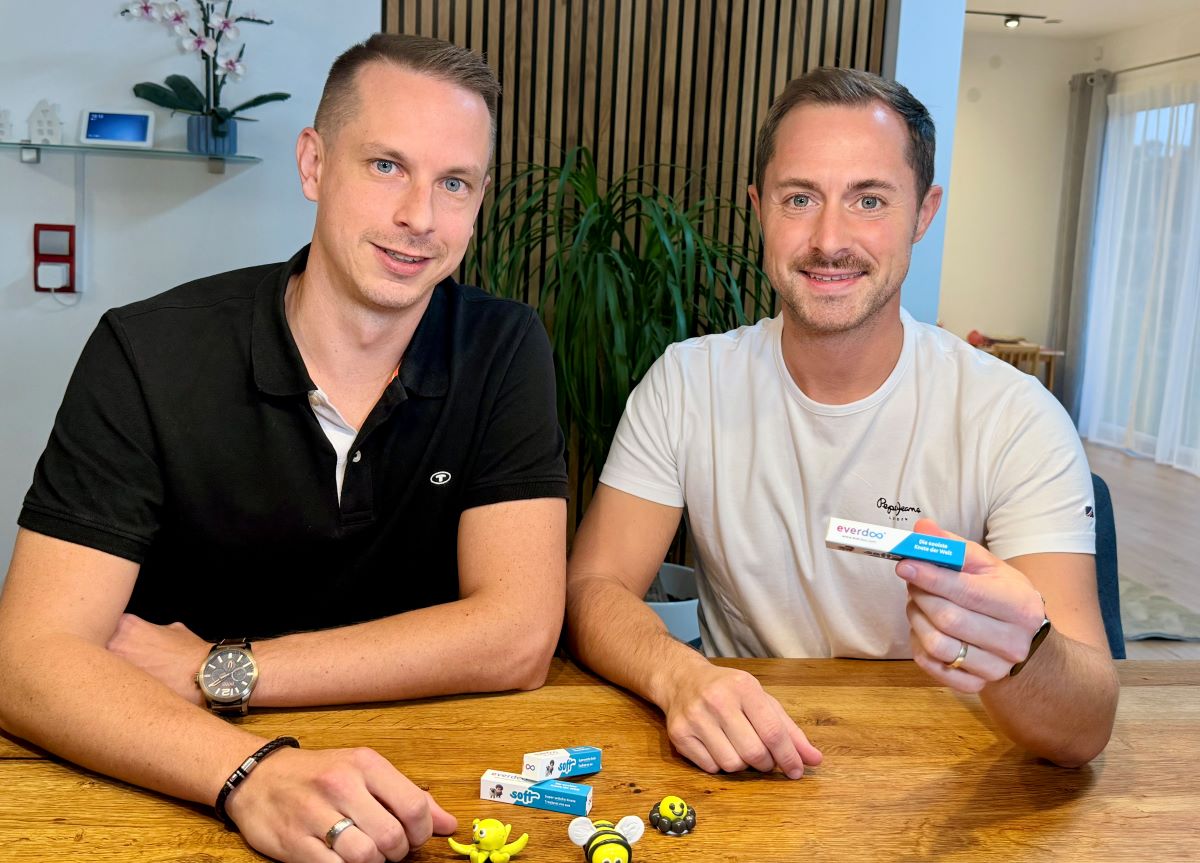
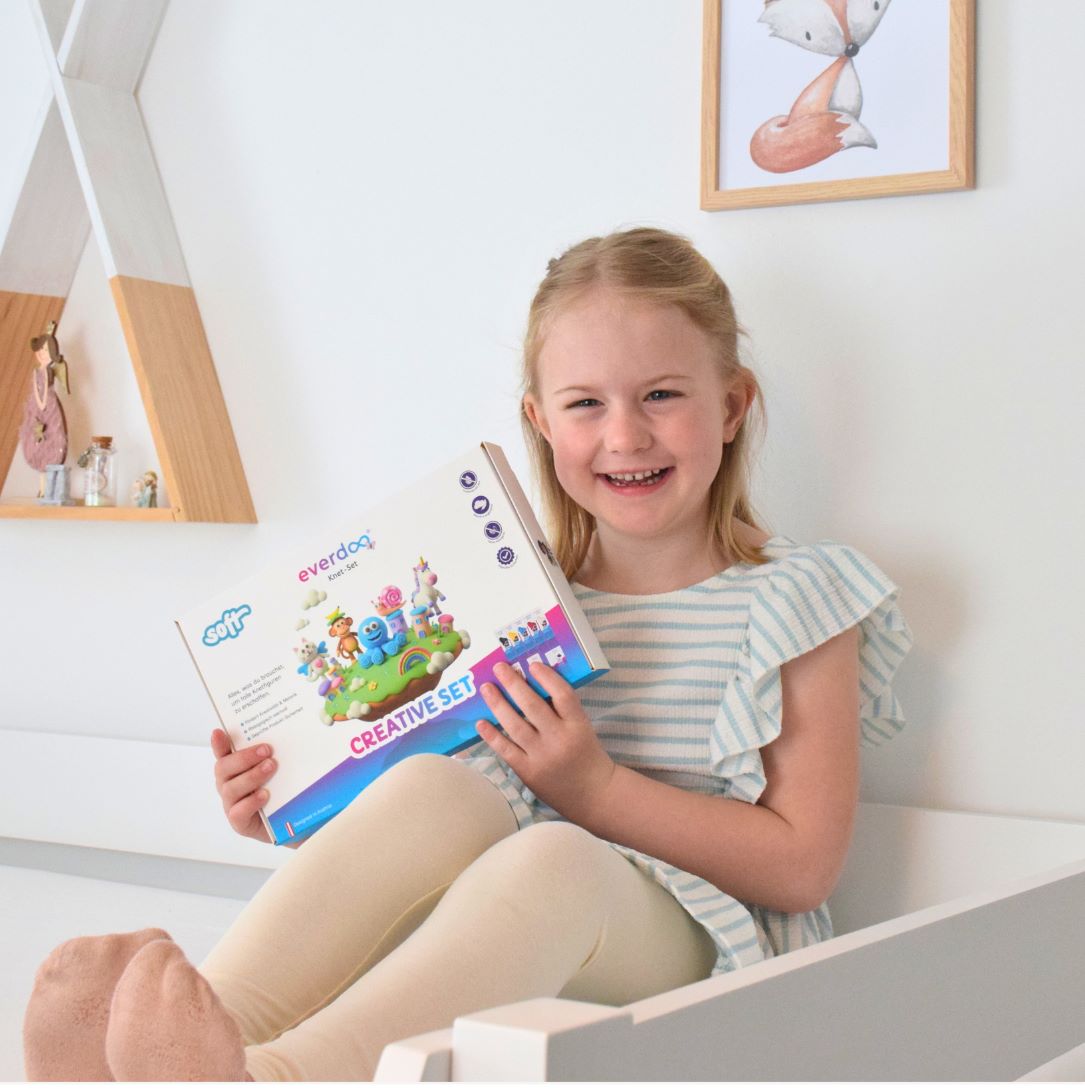
Anyone who talks to Patrick quickly realizes that Everdoo isn’t just a one-man project. His family plays a crucial role. While he juggles development, production, and his full-time job, his wife supports him in many areas of the business. She handles packaging, customer communication, and the development of new figures. Their daughter is also growing up closely involved in the creation of Everdoo.
Instead of passive screen time, they knead, experiment, and try things out together.
This aspect of everyday creativity is more than just a personal anecdote. It shows that innovation rarely arises in isolation. Creative projects require people who believe in them, support them, and provide stability when challenges arise. This is a valuable reminder, especially in times when creative self-employment is often marked by uncertainty.
The moment when everything suddenly starts moving faster
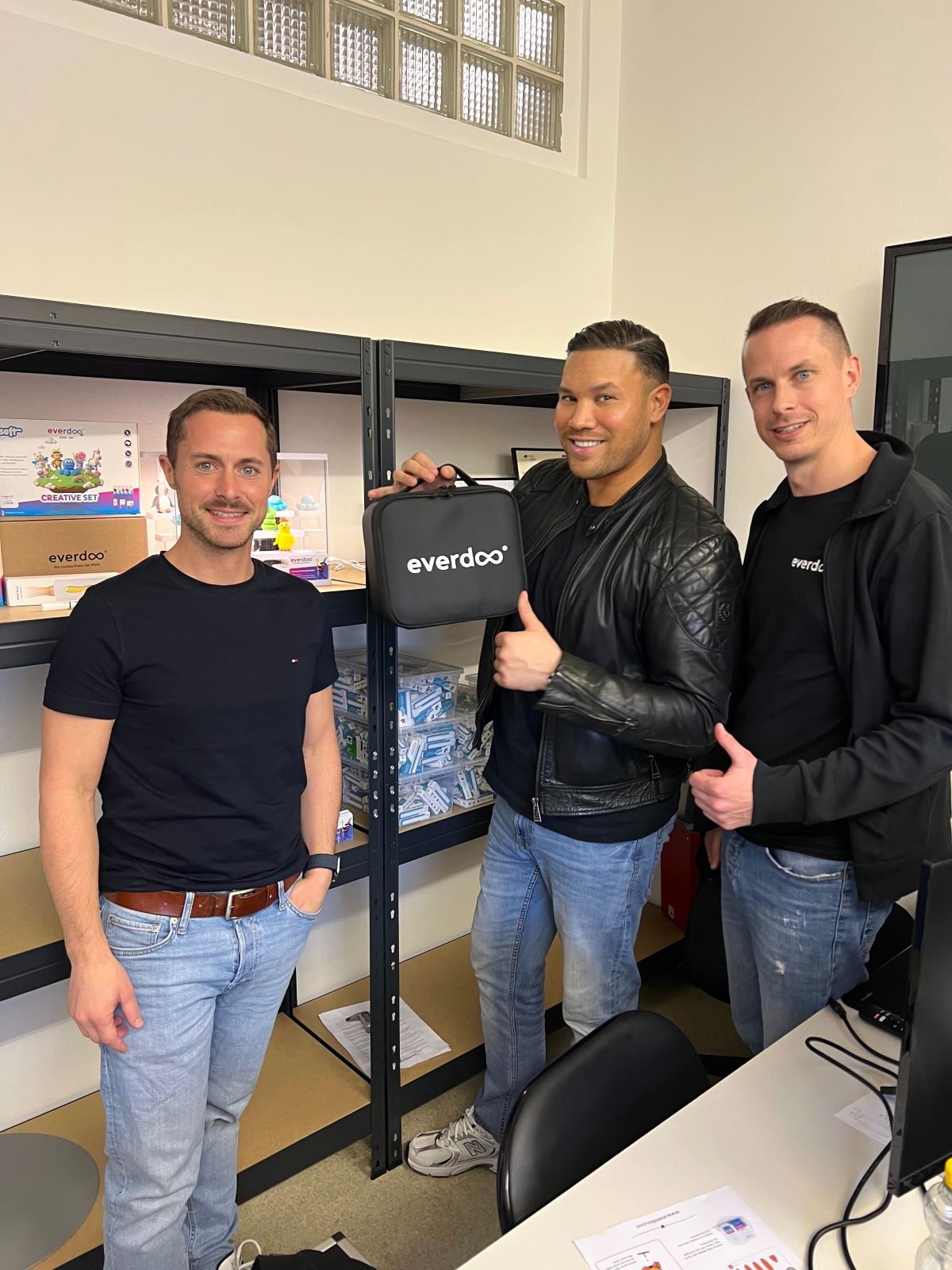
Some developments can be planned; others cannot. Just a few weeks after its market launch, Everdoo received a message on Instagram. It was from the musician Kay One. After initial discussions and product testing, Kay One publicly shared his enthusiasm on social media. The result was a surge in attention. Suddenly, other well-known figures also took an interest in the young company, and new opportunities arose.
But what’s particularly noteworthy isn’t the fame itself, but how it was handled. Instead of getting swept up in the hype, the team systematically integrated the new situation into its corporate strategy. Marketing efforts were adjusted, new sales opportunities were developed, and long-term goals were kept in sight. Sometimes it takes a little bit of luck. However, whether that leads to lasting success depends on how well you’re prepared.
Why Creative Solutions Are Essential for the Ecological Transition
When people talk about sustainability, the focus is often on technology, energy, or production. Yet the crucial resource of creative thinking is frequently underestimated. Everdoo is a good example of this. The real innovation lies not just in a new type of modeling clay. It lies in the willingness to challenge a socially accepted throwaway mentality and to rethink it from scratch.
This is exactly the kind of shift in perspective we need for the ecological transformation. Creative people recognize potential where others see only habits. They combine knowledge from different disciplines, question existing systems, and develop alternatives that can make economic and ecological sense. Patrick took an idea from the world of high technology and applied it to the world of gaming, thereby creating a completely new approach. This impressively demonstrates just how valuable creative thinking can be for innovation and sustainability.
What We Can Learn from Patrick
Everdoo’s story is far from over. New product lines are in development, therapeutic applications are on the horizon, and the vision extends far beyond the current market. For creative professionals, this carries a powerful message:
Not every good idea is understood right away. Not every project progresses in a straight line. And not every innovation shows its impact from the very beginning. But that’s exactly why it’s worth sticking with it.
Those who have the courage to question existing systems, connect different fields of knowledge, and accept setbacks as part of the process often create the kinds of innovations that later seem self-evident. Or, as Patrick demonstrates: Sometimes a revolution doesn’t start in a research lab, but with a lump of modeling clay on the kitchen table.
Patrick shows that creativity doesn’t just lead to new products. It can transform entire industries. And perhaps that is precisely one of the most important skills for a sustainable future.