
wewant2knowAnd where does the money come from?
22.10.2026 | 8:30 – 12:00 | via zoom
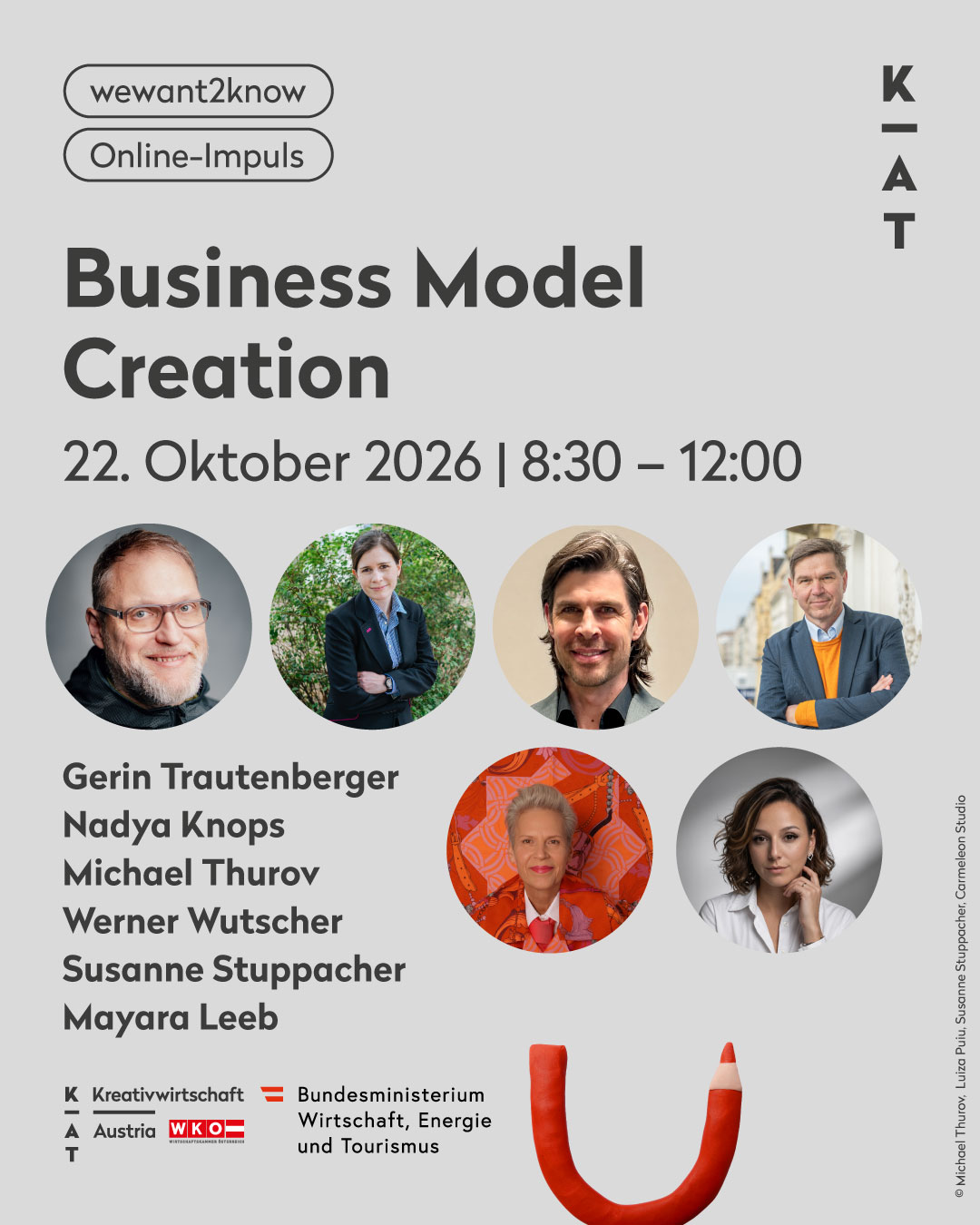
Online impulse on business model creation and digital business models
Creative ideas are great – but they don’t pay the bills. Turning projects into real business requires strategies and models that work. Whether developing new business models, adapting to digital markets or using technologies such as artificial intelligence, this is where the creative industries can play to their particular strengths. With their flair for trends, their ability to develop concepts, use digital tools and tap into new markets, creative companies are key drivers of sustainable business models. You will learn how an idea becomes a viable business – how creativity can be translated into economic models, which factors make business models future-proof and how new technologies such as AI help to increase innovation, efficiency and impact.
In the online impulse, experts will show you how you can use this strength for your own business:
- Expert input on business model innovation and digital opportunities
- Practical examples from the creative industries that show how ideas become viable business models
- Interactive exchange formats to transfer what you have heard directly to your work
With sustainable business strategies, you can take your business to the next level – and we’ll show you how to make the leap from idea to implementation!
The knowledge transfer format wewant2know is part of our we:transform program, a measure of Kreativwirtschaft Austria as part of the Innovation Program Creative Industries 2030 of the BMWET in cooperation with the WKÖ, financed by funds from the BMWET.
Secure your place at the online impulse now. We look forward to an exciting exchange!
These inspirational speakers will give you orientation, insights and concrete practical examples:
Gerin Trautenberger | Chair of Kreativwirtschaft Austria
How can the value of creative services be made visible and appropriately reflected in pricing? That is precisely what the topic “Value-Based Pricing for the Creative Industries” is all about—with a focus on pricing creative services more based on their actual value and less on the sheer amount of effort involved.

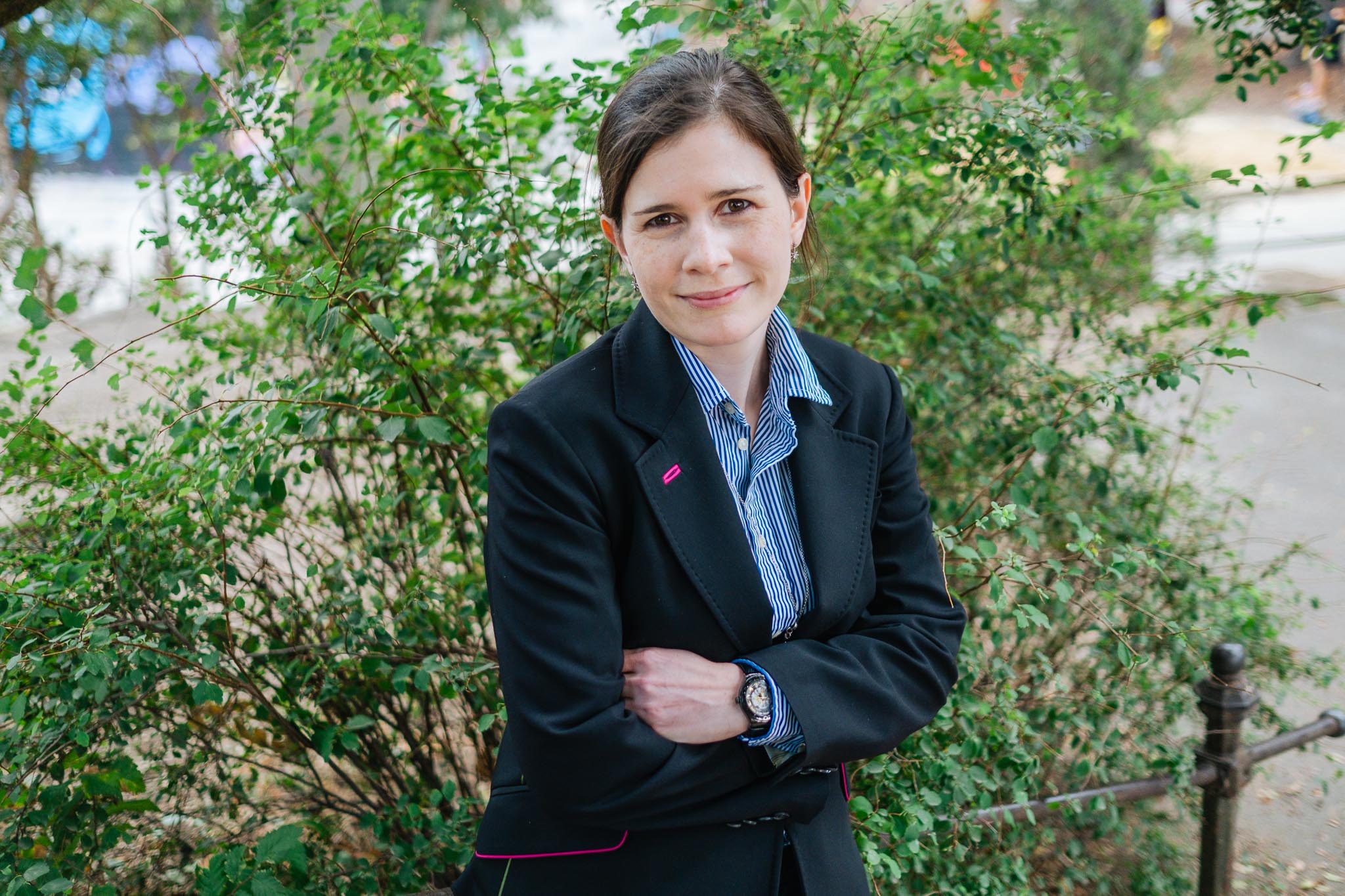
Nadya Knops | magicalfamiliars.com/ | From Everyday Object to Collectible with Added Value
How does a simple, everyday object become a brand with character and emotional value?
In her talk, Nadya—known by her stage name Yunuyei—offers insights into the creation of her brand centered around the Magical Familiars and a very simple everyday item: the keychain. What began as a creative idea has grown into a brand that combines cuteness with practicality while also offering psychological value. That’s because there’s more to these little companions than just a pretty design: her experience as a coach and trainer has influenced the brand’s development just as much as her creativity. Nadya demonstrates that creativity and business know-how don’t have to be mutually exclusive. On the contrary: when design, personal expertise, and a deep understanding of people come together, a simple product can evolve into something that resonates emotionally with people and invites them to collect it.
Michael Thurow | shift11 | From Change to Perspective
What do creative entrepreneurs need to do to transform themselves and their business models in times of upheaval? Before guiding customers through change, it’s worth taking a look at your own role. What does change mean for you personally? It means being open to change and new technologies, investing time and exploring with curiosity, and occasionally questioning your own beliefs. Drawing on his own career path—from architecture to industrial design to customer experience management—Michael Thurow demonstrates that changes in one’s career and entrepreneurial direction are perfectly acceptable, and shows how to approach what lies ahead—particularly the advancements driven by AI—with courage and confidence.
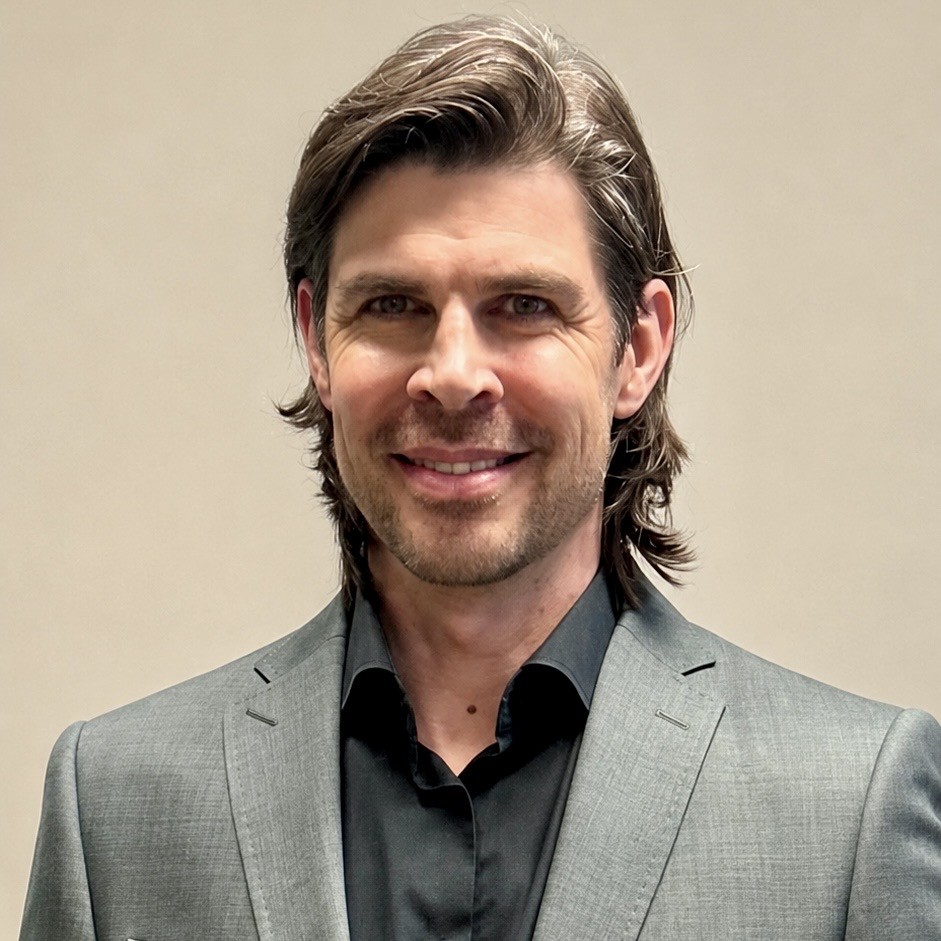
Werner Wutscher | New Venture Scouting | Business Models in the Creative Industries
Developing new business ideas based on your own strengths: Werner Wutscher shows the various paths that can lead to a suitable business model—from digital solutions to analog offerings.
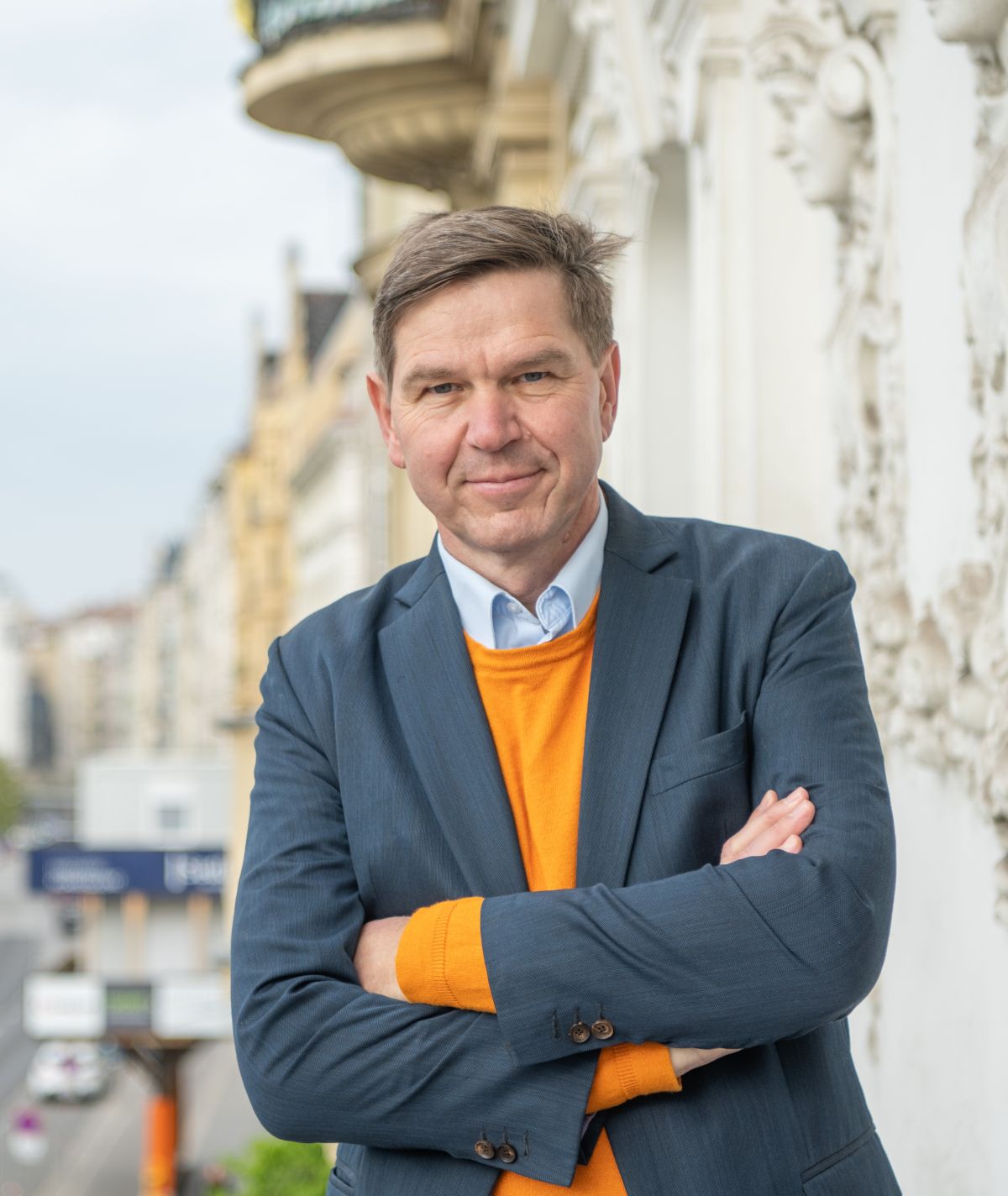
Susanne Stuppacher | The Silverpreneur | “Started at 58. For one reason.”
The Silverpreneur, a Vienna-based platform for demographic transformation, silverpreneurship, and AI disruption in the labor market. Susanne shares the story of how she founded the company—not as an isolated case, but as a snapshot of an entire generation. Boomers with multiple careers, marked by breaks and fresh starts, who have grown alongside technology. A generation that has reached the top of the career ladder, can’t climb any higher, but doesn’t want to go back down either—and isn’t willing to give up the freedom that their skills and experience have built up over the years. This generation now finds common ground in only one thing: entrepreneurship.
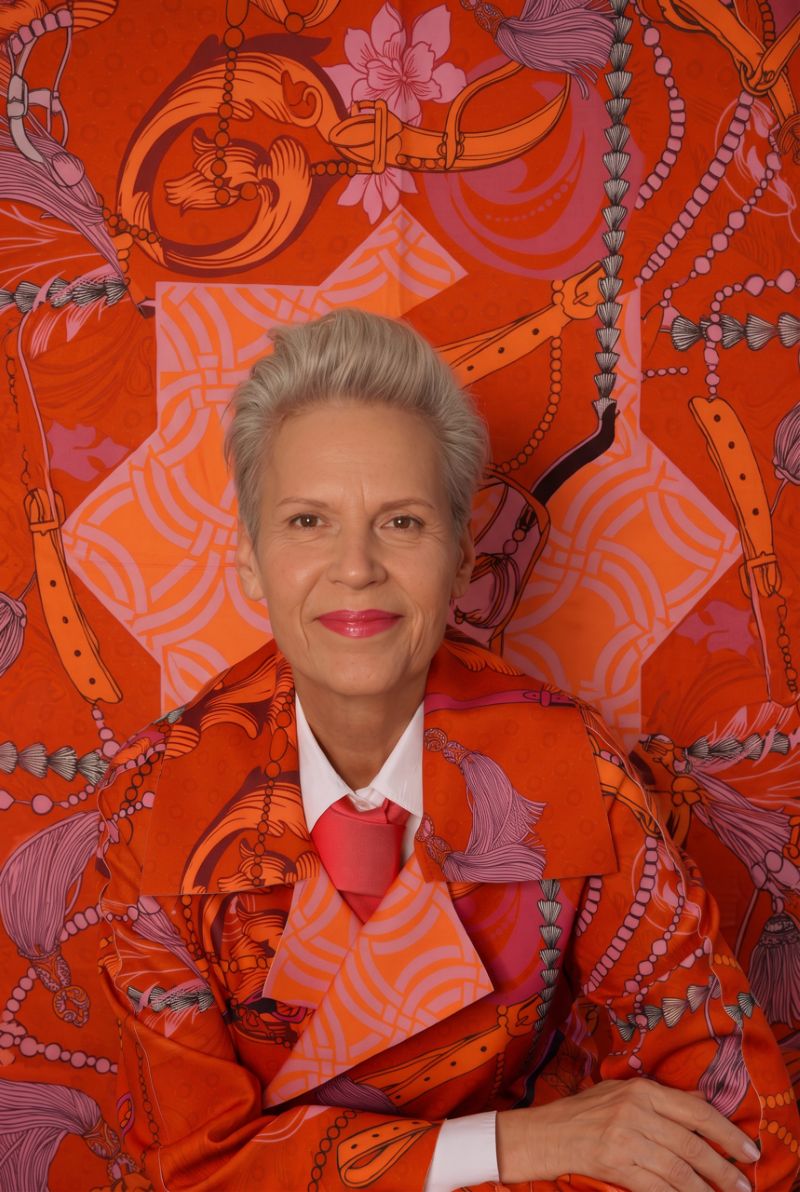
Mayara Leeb | Carmeleon | From Idea to Business Model
Mayara Leeb shows how an idea evolved into a bilingual, digitally scalable business model. With Carmeleon Studio—a studio specializing in AI-powered fashion photography with locations in Chicago and Austria—she helps boutiques and fashion brands build an online presence with high-quality product images and lookbooks, without the need for traditional studio budgets. In this practical session, she candidly shares which decisions along the way made the difference and how AI evolved from a tool into a business model.