
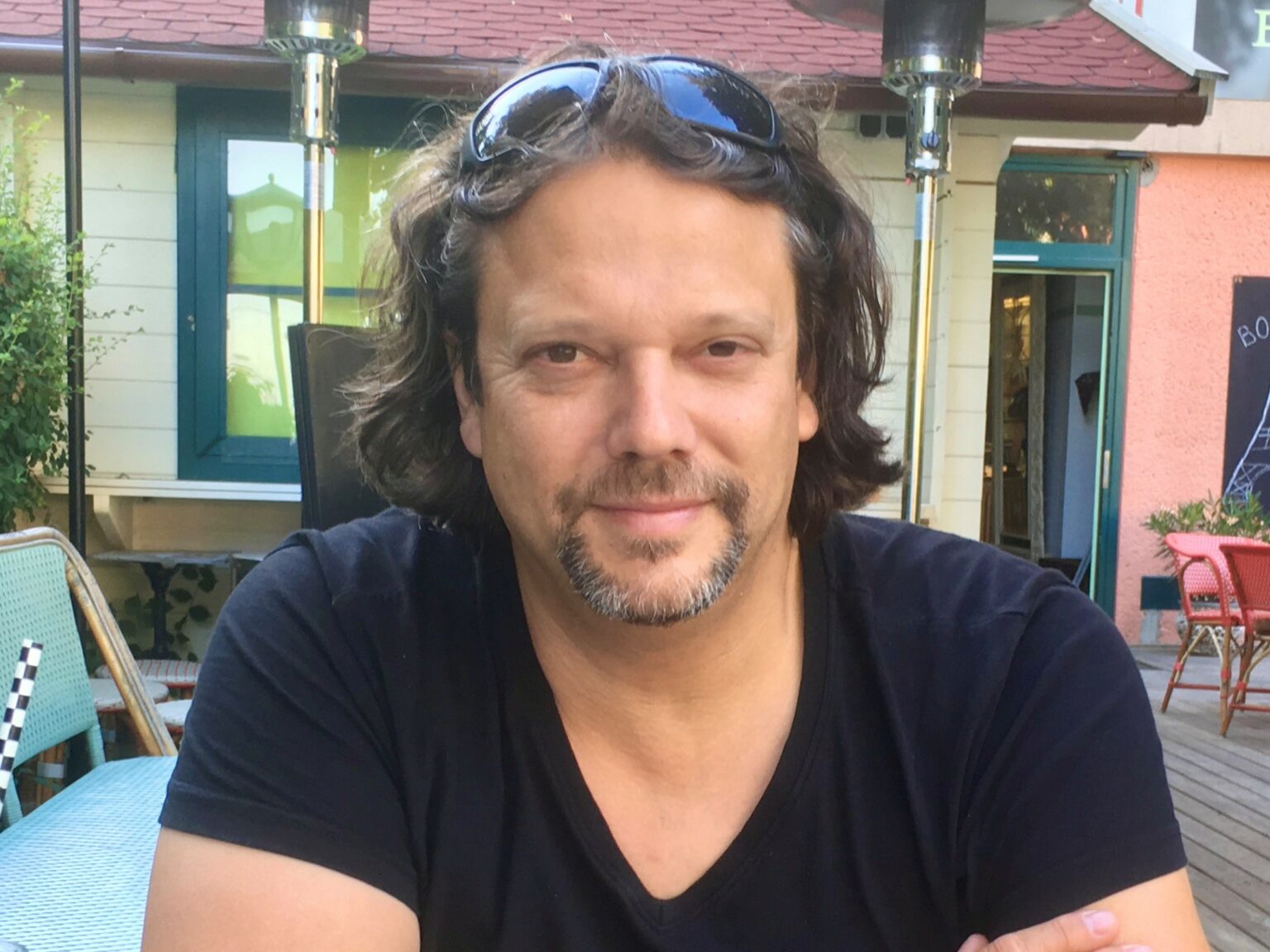
Christian KroepflThe future is round
Circular design as a pioneer for sustainable innovations and a better future
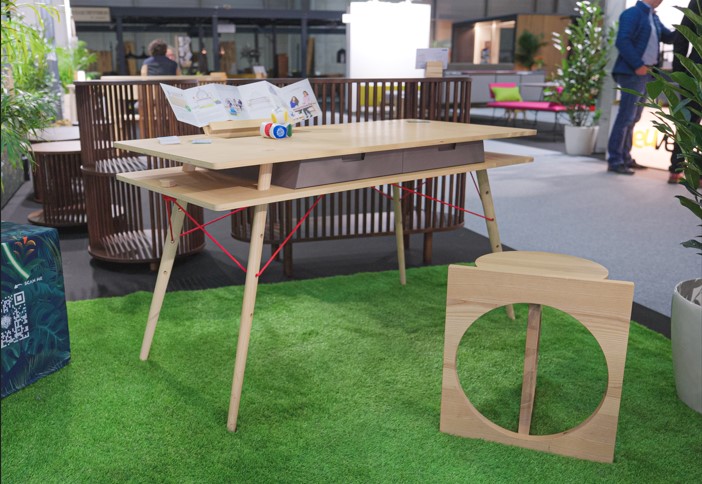
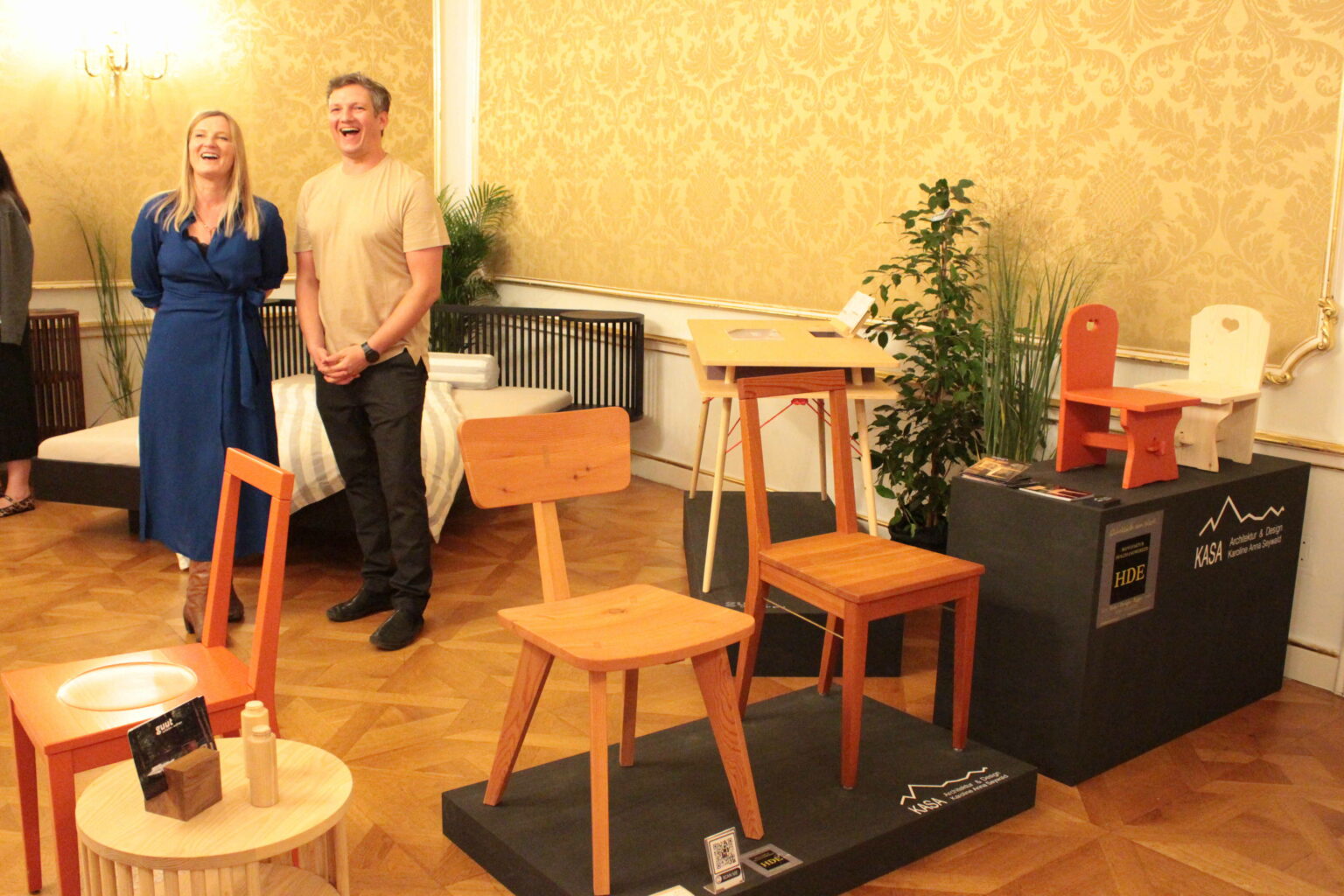
In a world that is increasingly characterized by environmental problems and resource scarcity, circular design is becoming more and more important. With his “Circular Design – Sustainability Exhibition” at the Design:District in Vienna’s Hofburg, architect and designer Christian Kroepfl shows that great design does not have to compromise on form and function.
Some of you will have heard the terms circular design or circular economy before. But what do they mean and why are they so important, especially in the creative industry?
Circular design incorporates the principles of reuse and social interaction in all product life cycles. Not only ecologically, but also socially sustainable and participatory design strategies are important. Production processes are designed in such a way that social values are taken into account, further training opportunities are created and social exchange is made possible. In short: design that defines our future in a sustainable way.
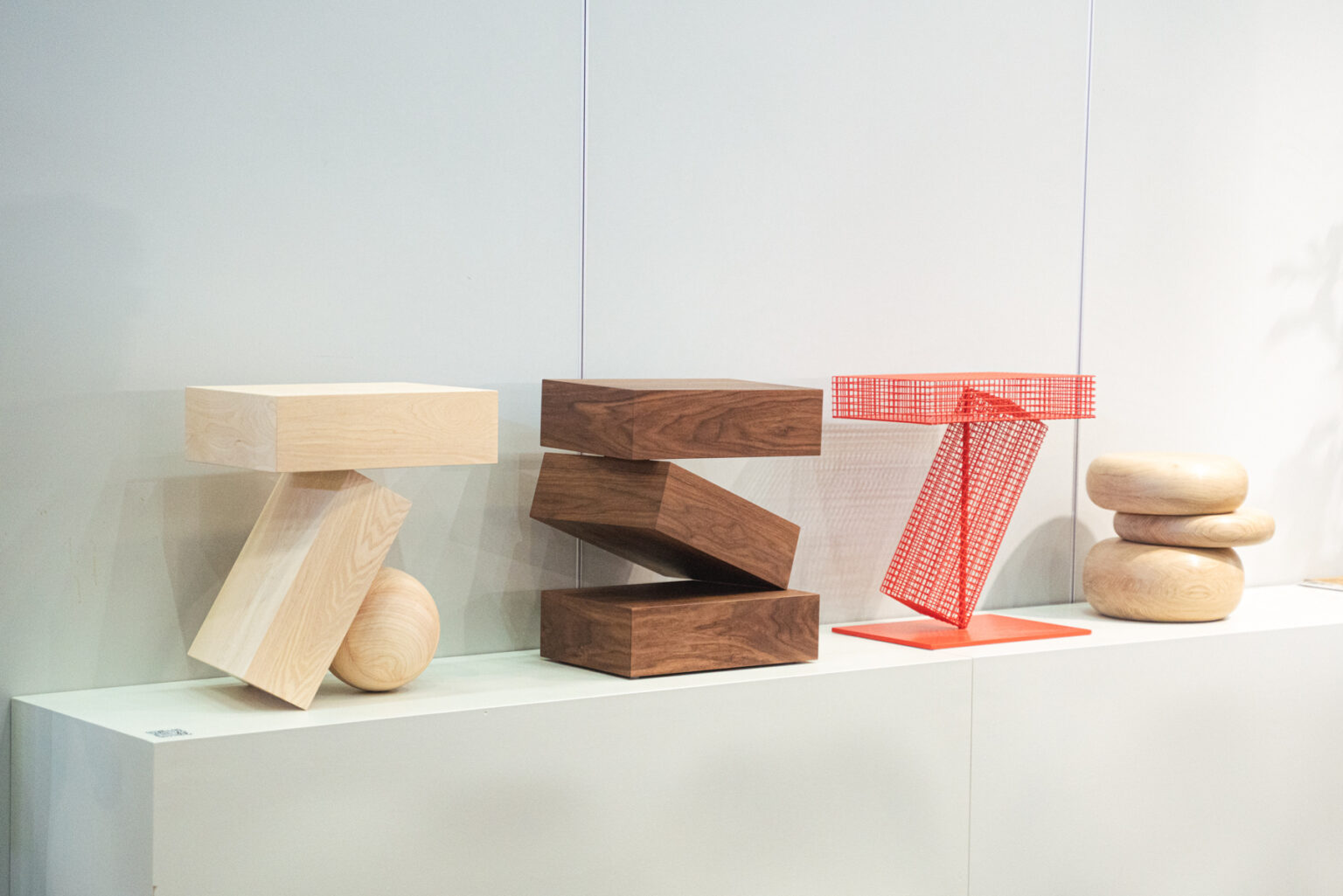
Small steps with a big impact
Circular design offers the creative industries the opportunity to work more cost- and resource-efficiently and reduce waste. A positive impact on the environment, cost savings and the sustainability of products are just a few of the benefits made possible by this process. You can perhaps better imagine this using the example of fashion and fast fashion:
While large fashion chains shoot out new collections every week, which, as you know, end up in extremely high mountains of textile waste, Circular Design focuses on upcycling textile waste into new garments. The advantage: this approach not only reduces the amount of waste, but also leads to new, innovative designs.
However, circular design also requires a change in mindset and the design process. It is less about the dominance of expert knowledge and more about collaboration between experts. It is also not about following fixed rules, but about making the design process dynamic. While humans often dominate nature in standardized global mass production, circular design is about local, personalized production in a cooperation between humans and nature. Away from the idea of disposability and towards repair.
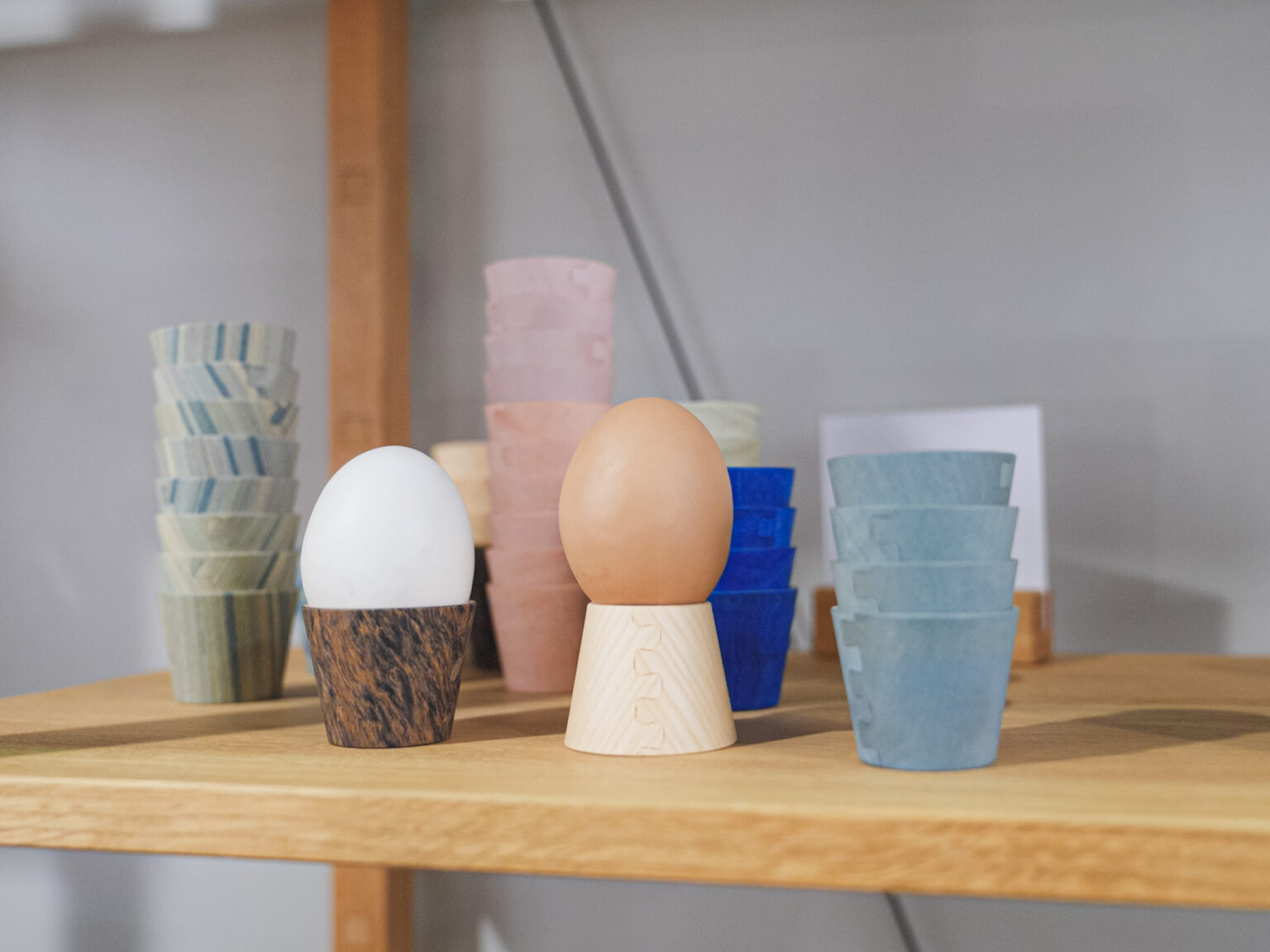
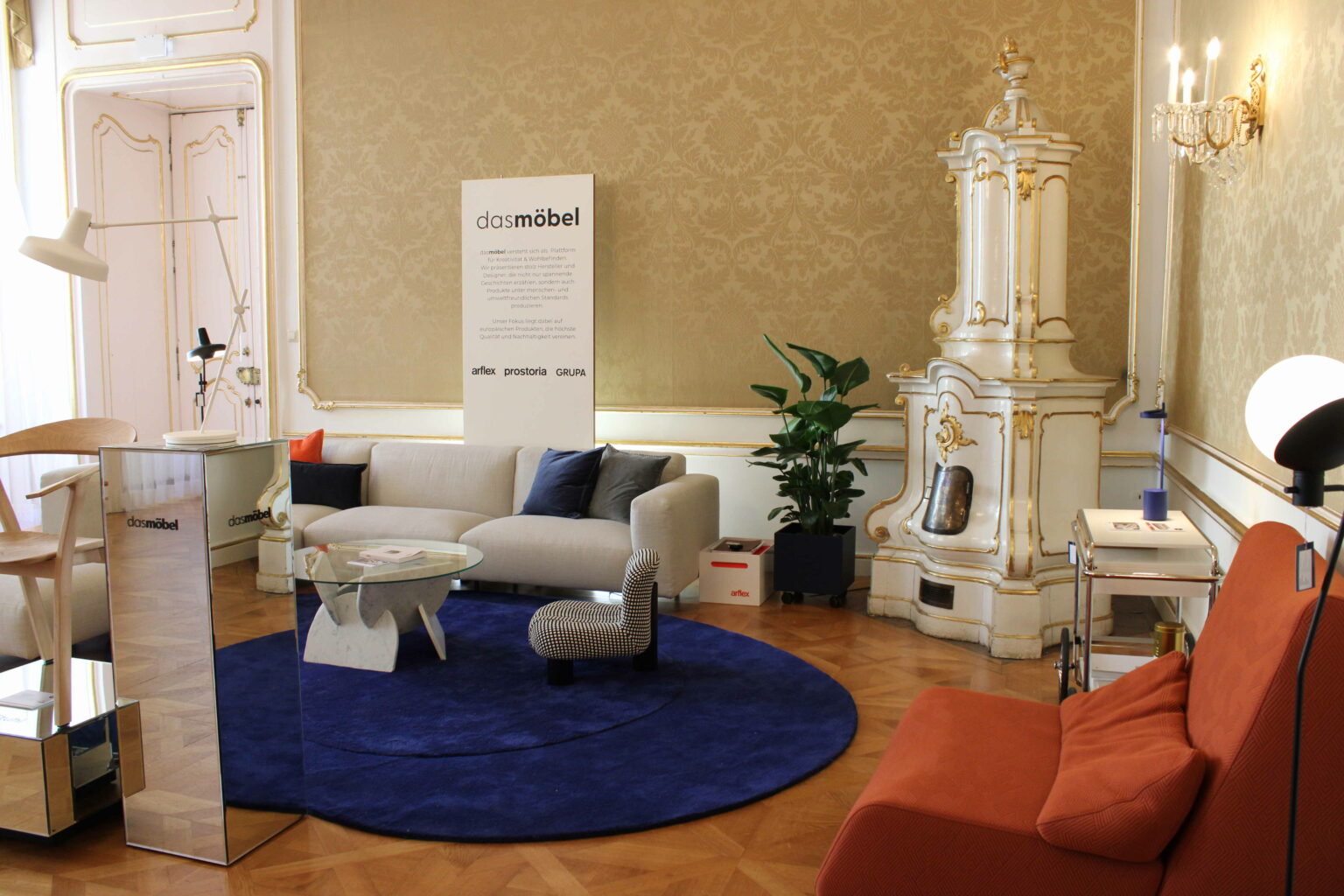
Our Creative of the Month lives this principle Christian Kroepfl (Opens in a new tab or window) is not only concerned with product design and the manufacturing process, but also with user behavior and our relationship with nature in the future. He also wants to bring this closer to other designers.