
Veronika SzalaváriHowdigital twins break down barriers and make spaces accessible
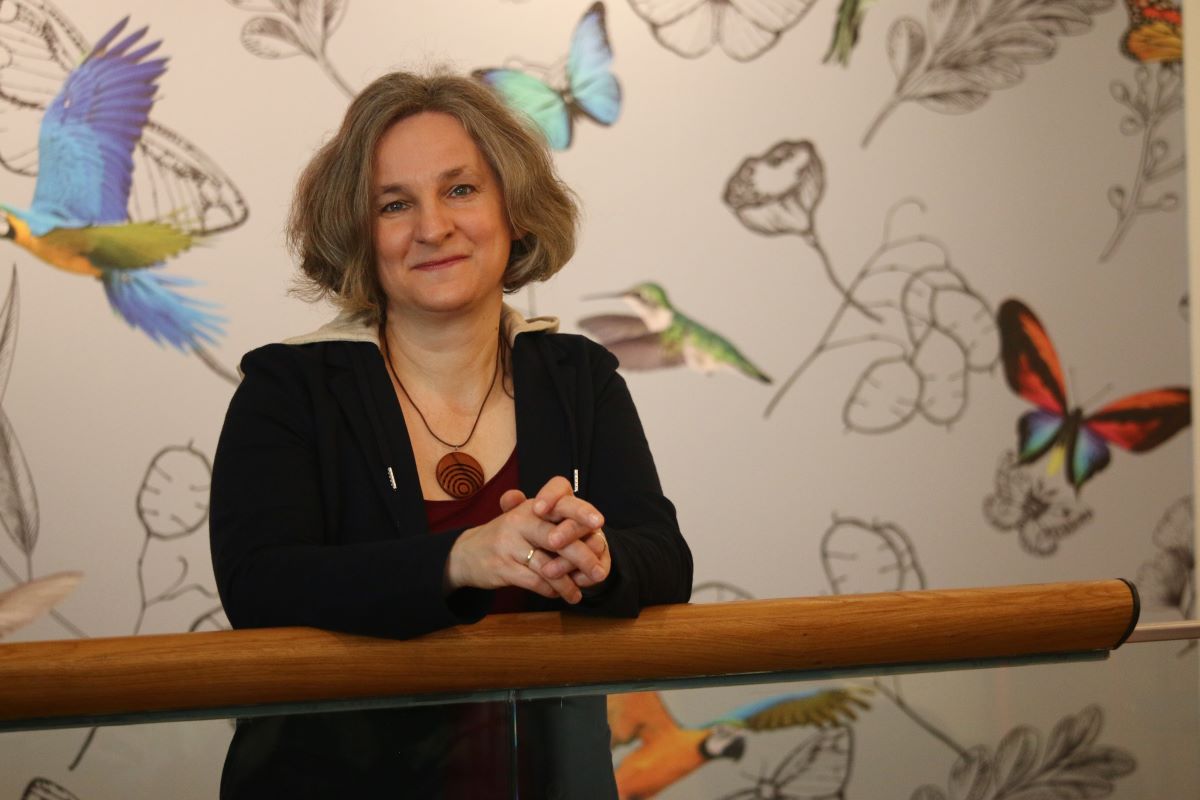
Veronika Szalavári combines technical understanding, creative design power and modern 3D technology to create an approach that goes far beyond traditional tours. With her digital twins, she makes complex spaces understandable, creates orientation and lowers inhibitions, especially where people want security and clarity, for example in the healthcare sector.
With a technical background for room digitization
The fact that Veronika now creates digital spaces that give people security was not a linear path. The founder of VEROVISIT has a technical background that has given her a precise understanding of spaces, structures and the implementation of complex information. But this area has not really fulfilled her.
The decisive spark came from her husband, who works in augmented reality software development. During test scans, she was able to observe how real spaces are transformed into digital models. This was the moment that would radically change her career path. When she saw the results of these 3D scans, she was instantly hooked and knew that this was the future she wanted to work in.
Veronika recognized the enormous potential of technology, not just for capturing spaces, but as a tool for people. Today, she says that founding Verovisit was one of the best decisions of her life.
A second aha moment came later through practical experience: the more projects she implemented, the more she realized that digital twins go far beyond technical models and innovative marketing tools. They can break down barriers, especially for people who find it difficult to enter new, complex spaces.
“For many people, visiting a clinic is pure stress. The fact that my tours can bring real added value here was my decisive turning point.”
Veronika Szalavári
For Veronika, innovation means making spaces speak
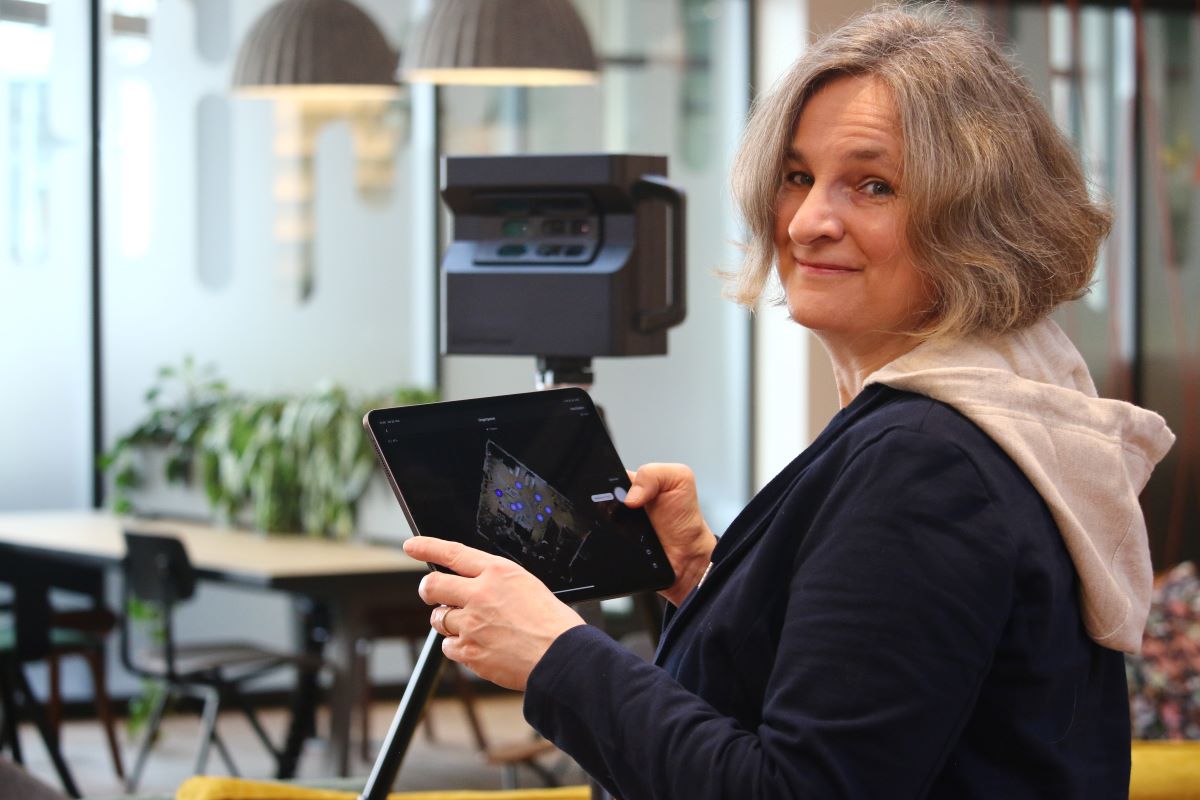
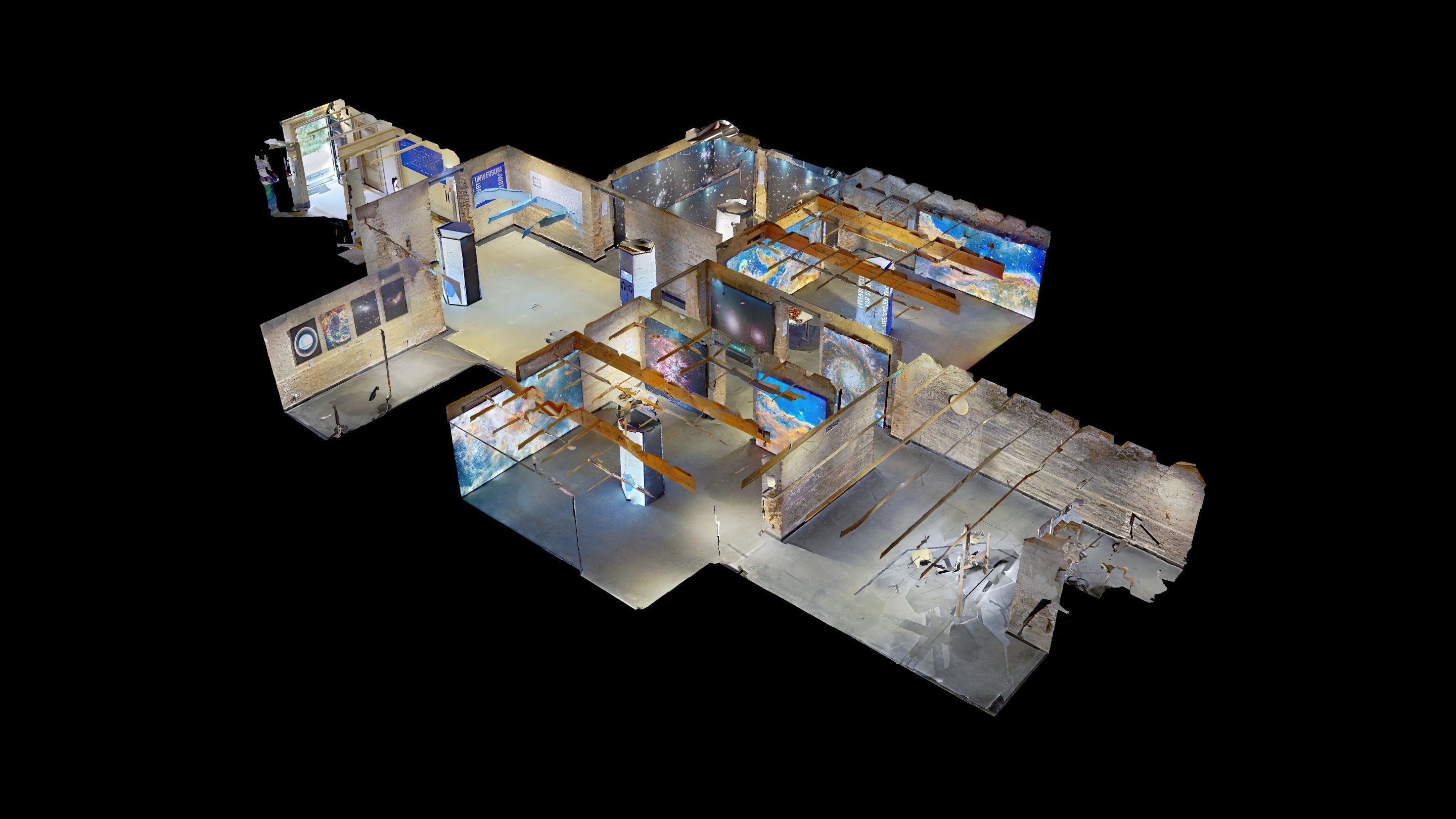
Modern technology is a tool at VEROVISIT, but never the center. Even though Veronika naturally works with high-end systems such as Matterport or XGRIDS, the real innovation lies in her translation services.
“A silent 3D scan is not enough. Innovation arises where a space becomes understandable, safe and usable.” – Veronika Szalavári
Their creative approach: digital spaces become interactive experience spaces.
Using Infopoints, small clickable elements containing videos, explanations, images or links, she makes information accessible and visually embedded. This makes complex buildings understandable, whether they are hospitals, industrial plants, construction sites or hotels. These “talking rooms” create orientation, transparency, lower inhibition thresholds, more efficient processes and, above all, a feeling of safety and control for people, for example in the healthcare sector.
Between creativity and entrepreneurship – structured, clear and with a lot of focus
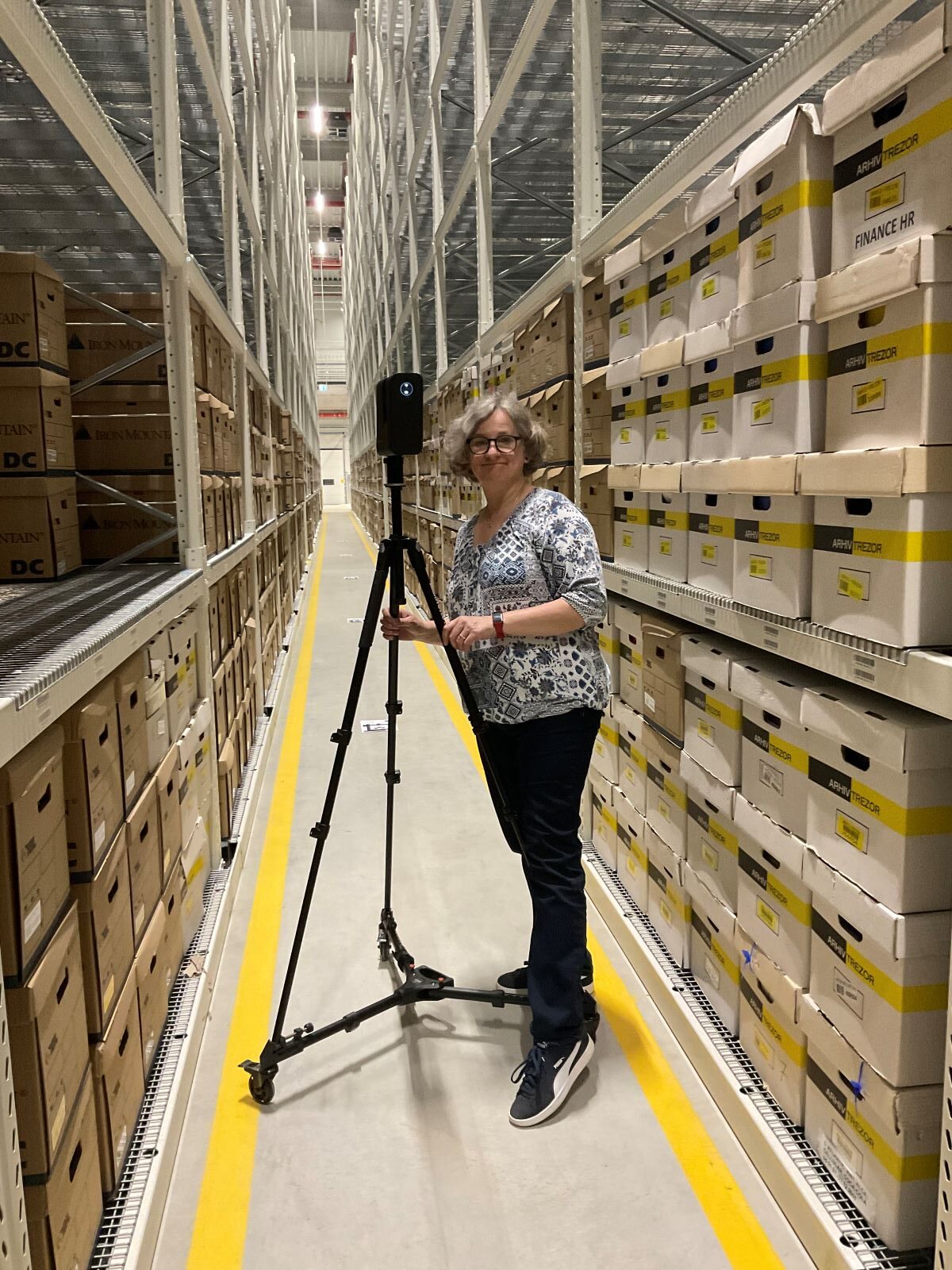
As an EPU, Veronika combines creative, technical and entrepreneurial tasks with a high degree of structure and clarity. In her creative work, she immerses herself completely in spaces. She decides which perspectives create orientation, which viewpoints are essential for the tour and how info points tell the story of the space. Acquisition, proposal preparation and networking are key elements in everyday business life.
“The biggest challenge is customer acquisition, because completed projects often require little follow-up support. So I have to stay active.”
Veronika Szalavári
Veronika’s success factor is a clear, honest conversation. Before she scans, she always clarifies which specific problem is to be solved with the digital twin. This forms the basis for solutions that provide real added value for communication, orientation, planning or internal processes.
Digital twins that break down barriers, especially in the healthcare sector
Veronika always looks at technology through the lens of accessibility. In the health context in particular, this creates offers with high social benefits.
1. transparency before the first step
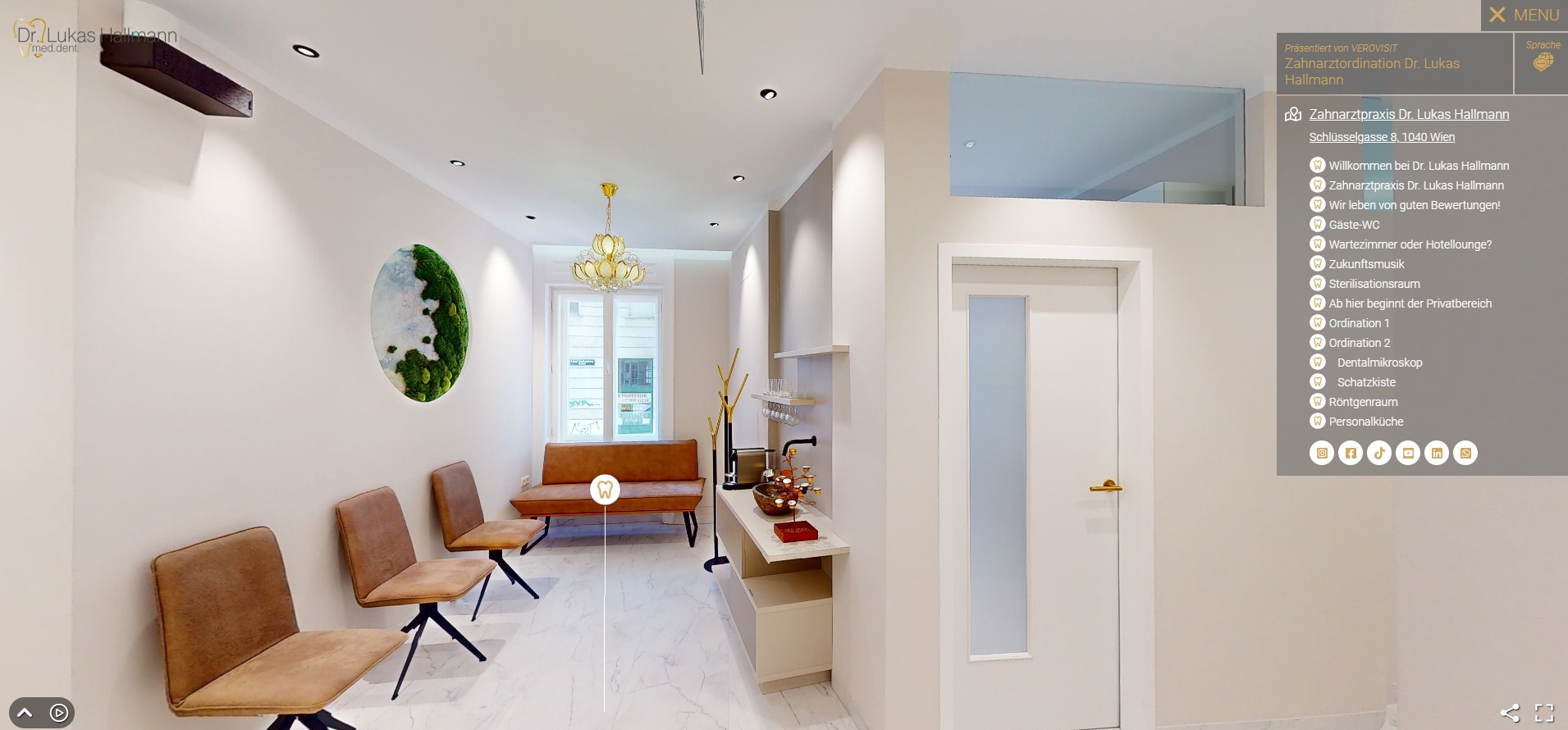
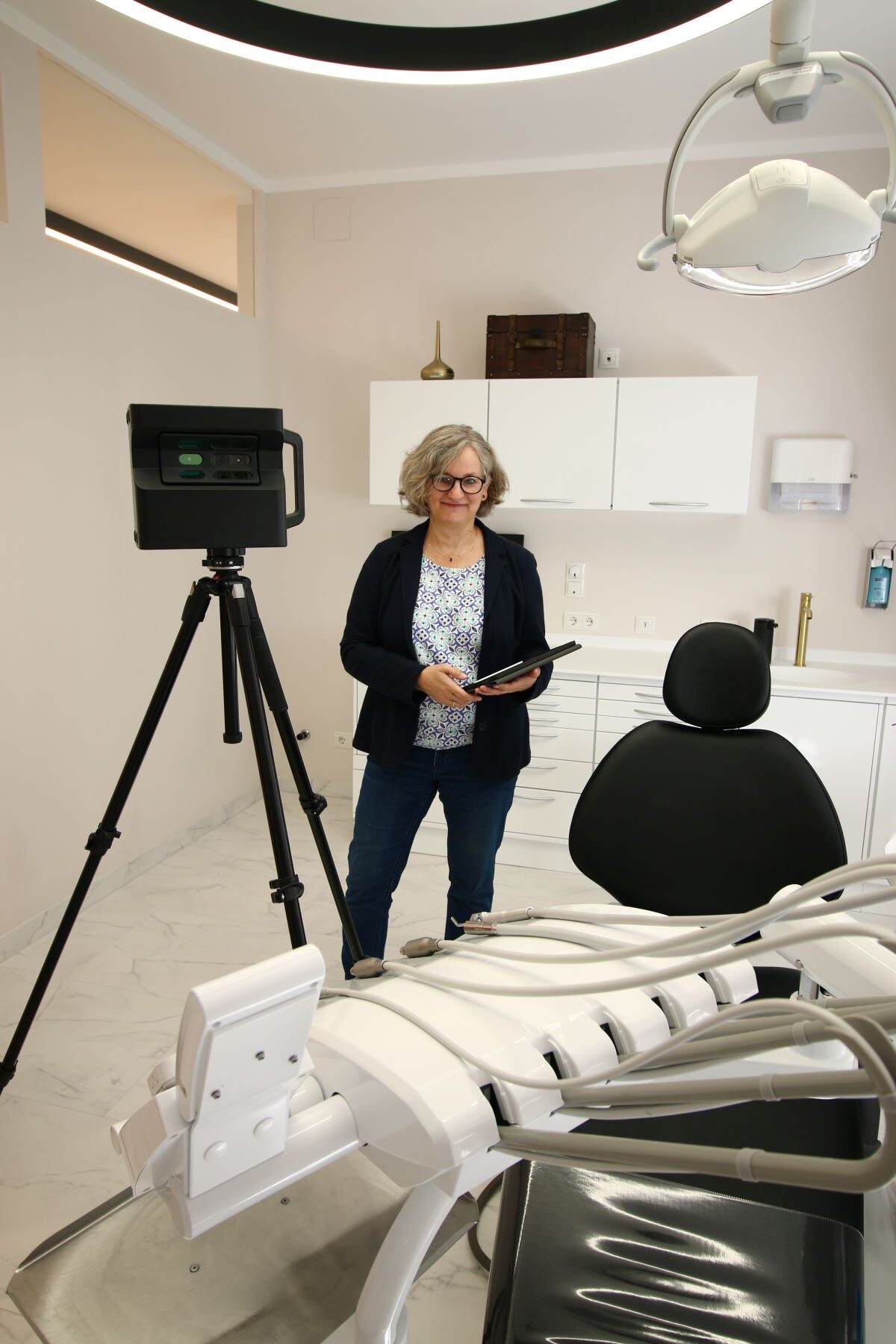
One example is the digitalization of an entire dental practice, including the laboratory.
Patients can explore every area in advance, from the waiting room to the treatment room. This has demonstrably helped to reduce inhibitions and fears.
People with severe anxiety, autism, panic disorders or physical limitations benefit in particular because the visit feels predictable and familiar.
2. orientation in buildings that look like labyrinths
Many hospitals are challenging for visitors inside. Veronika’s 3D scans serve as the basis for indoor navigation, a kind of digital “Google Maps for interiors”.
Patients can:
- plan their route in advance on the desktop
- navigate stress-free on site
- Avoid unnecessary travel
This restores security and self-determination.
3. transferable to many industries
What is essential in the health sector also works in hotels, fitness and health centers, cultural and educational institutions, industrial facilities, tourism offers as well as architectural and planning processes. The same applies everywhere: the unknown becomes understandable.
Focus on people – with technical precision and creative clarity
Veronika’s work follows a clear principle: technology should serve people, not the other way around. Her digital twins are therefore always clear, empathetic, transparent and accessible.
“I use high-end technology to make spaces not only visually appealing, but above all empathetic and accessible to everyone.”
Veronika Szalavári
It shows how technical thinking and creativity can have a real impact together.
Our conclusion
With VEROVISIT, Veronika Szalavári creates digital twins that provide orientation, reduce anxiety and make spaces accessible, especially in sensitive areas such as healthcare. Her approach proves that creativity often arises where technical precision meets human perspective. And it is precisely from this that solutions emerge that really help people.
More about Verovisit: