
Oliver IrschitzThinking biggerto realize sustainable utopias
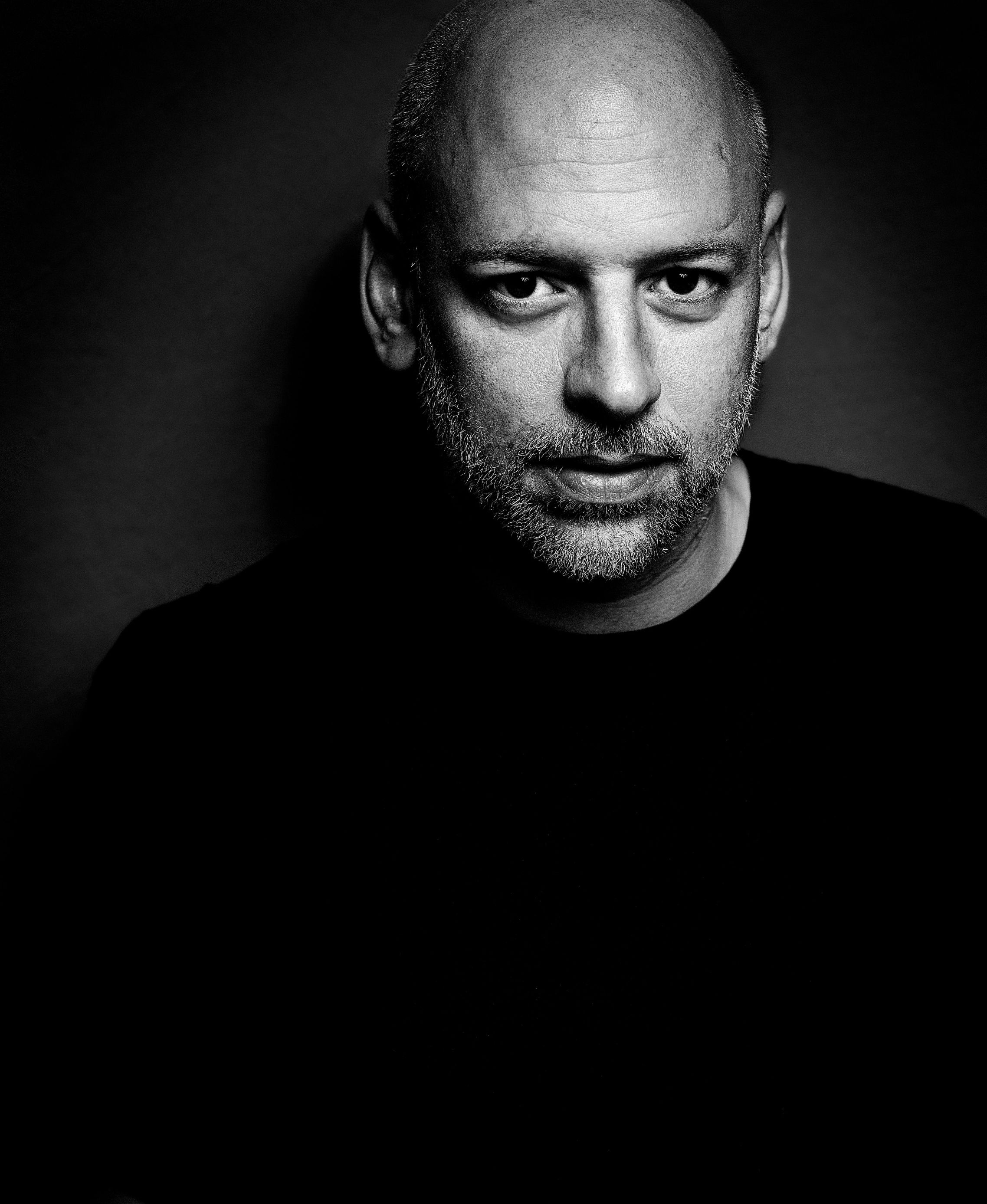
Designing intuitive interfaces – this is how designer Oliver Irschitz describes the core of his work. Formerly interactive furniture, today packaging for the circular economy and a sustainable hydroelectric aircraft.
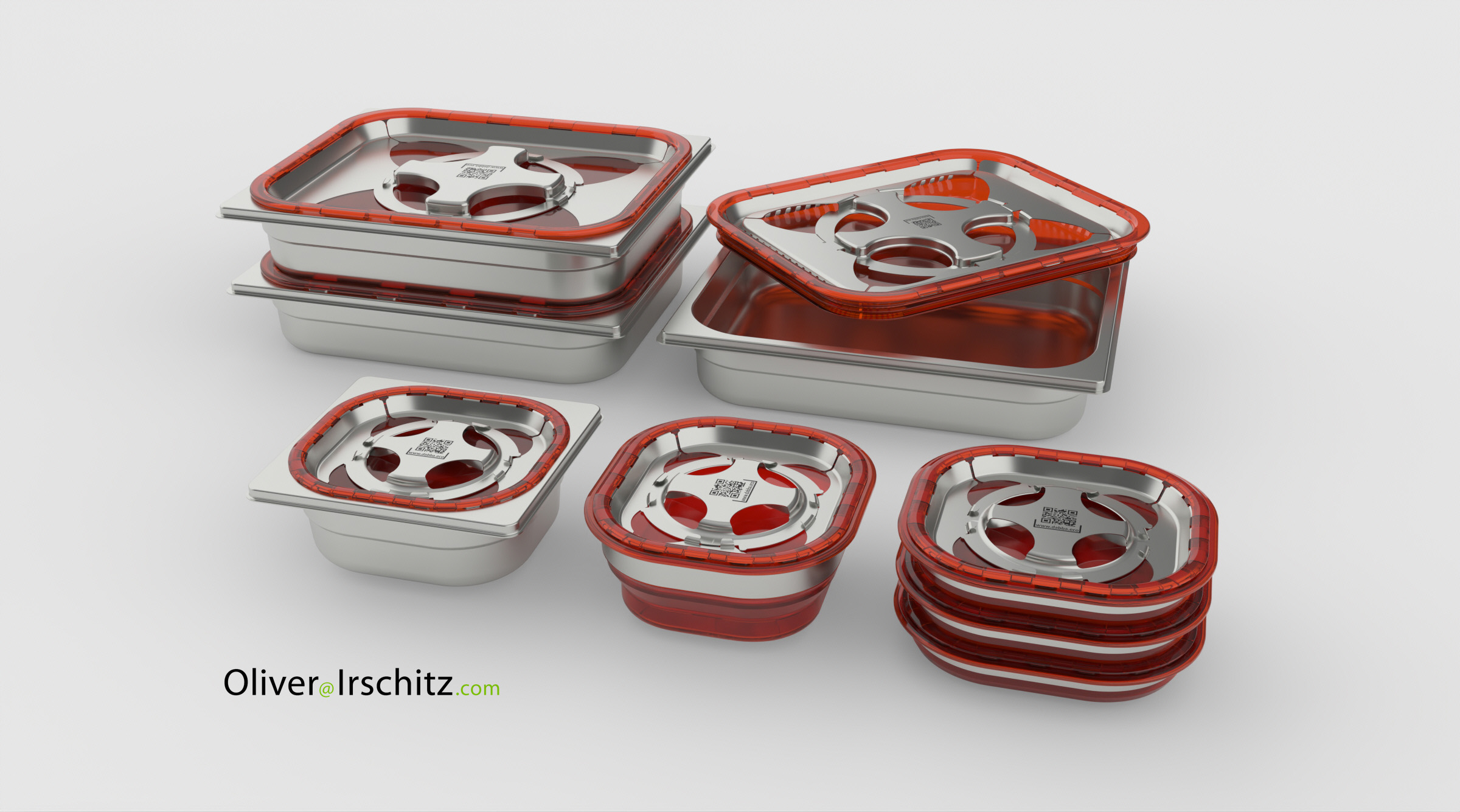
The new containers will be called “dabba” – inspired by the traditional reusable system in Mumbai, where hundreds of thousands of “tiffin boxes” are transported, cleaned and reused every day. This circular logic is the model and starting point for Irschitz’s vision of a sustainable packaging culture and thus fits in perfectly with his understanding of design as a system that encompasses product, service and business model.
While studying architecture at the Academy of Fine Arts in Vienna, the Tyrolean was already preoccupied with utopias, with the dream of a better world that inspires greater thinking, innovation and the design of new spaces. In his diploma thesis “Utopia digital city” (1997), he described a virtual operating system for the real world – long before Google Earth. Immediately after graduating, he founded several companies, including Peyote, named after the mind-altering cactus.
His early projects – interactive furniture, light curtains, the iFrame, iTable and iTube – positioned Oliver Irschitz as a pioneer between real and virtual space. The works were a hit at the Expo in Shanghai, at Ground Zero in New York and in international museums. In 2003, Time magazine nominated the iTube as Innovation of the Year – shortly before the dot.com bubble brought his company down.
The entrepreneur learned from the setbacks: fewer partners, more focus, better structures. Two successful decades followed with Peyote Cross Design Concepts, in which he combined digital and real spaces in a new way. The pressure to perform pushed him to his limits, Irschitz knows today. “This has to do with the rapid development of digital technology, but also with the project business in the creative industry per se,” he explains. “While you’re working on one project, you already have to acquire the next one.”
On the other hand, his work consisted of bits and bytes. Once the electricity was gone, the result of his work was also gone, even if he placed it on furniture, walls, etc. “After all, I come from matter and I’ve lost it more and more,” he says, describing another reason for the change of direction. So away from the digital and towards the analog. Although: Oliver Irschitz also used digital skills from previous projects and his interdisciplinary network to develop his design for waste prevention: “Design doesn’t end with the product. It needs the entire system behind it.”
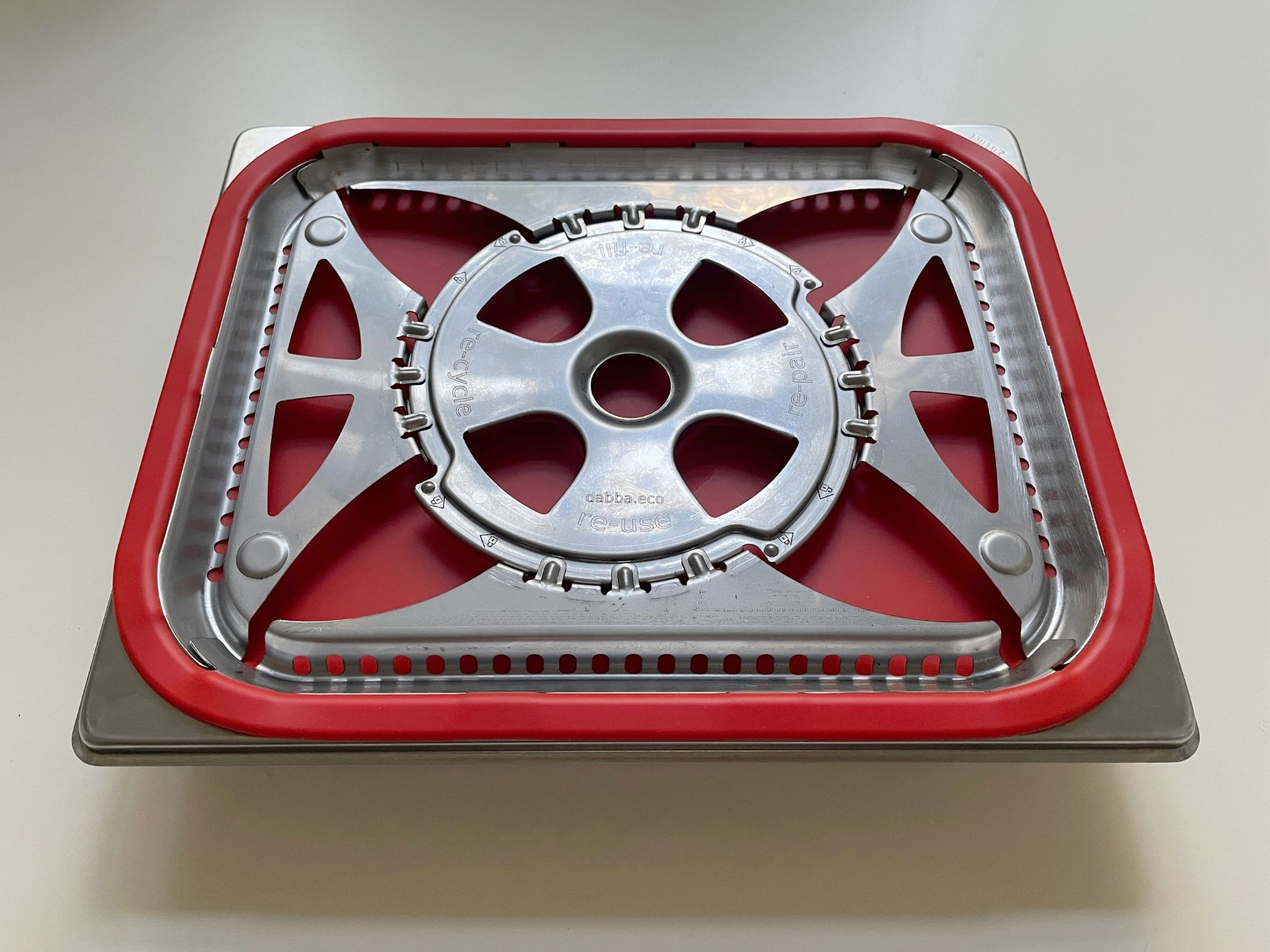
Five years later, the idea has taken shape and presents itself in the form of small, foldable silicone cups, containers and lids, with which the conversion of communal catering from disposable to reusable should succeed. The need is definitely there. In Vienna alone, 1600 tons of disposable plastic packaging from communal catering ends up in the bin every year. “dabba” aims to change that.
The designer’s keen sense for topics with future potential convinces partners in the catering industry, production companies and funding institutions. This makes it possible for him and his team to develop bowls, lids and a reusable system based on returns to patent maturity. Irschitz is keeping a low profile when it comes to specific details: patents are pending and discretion is a must. But this much can be revealed: “dabba” is about to enter the market.
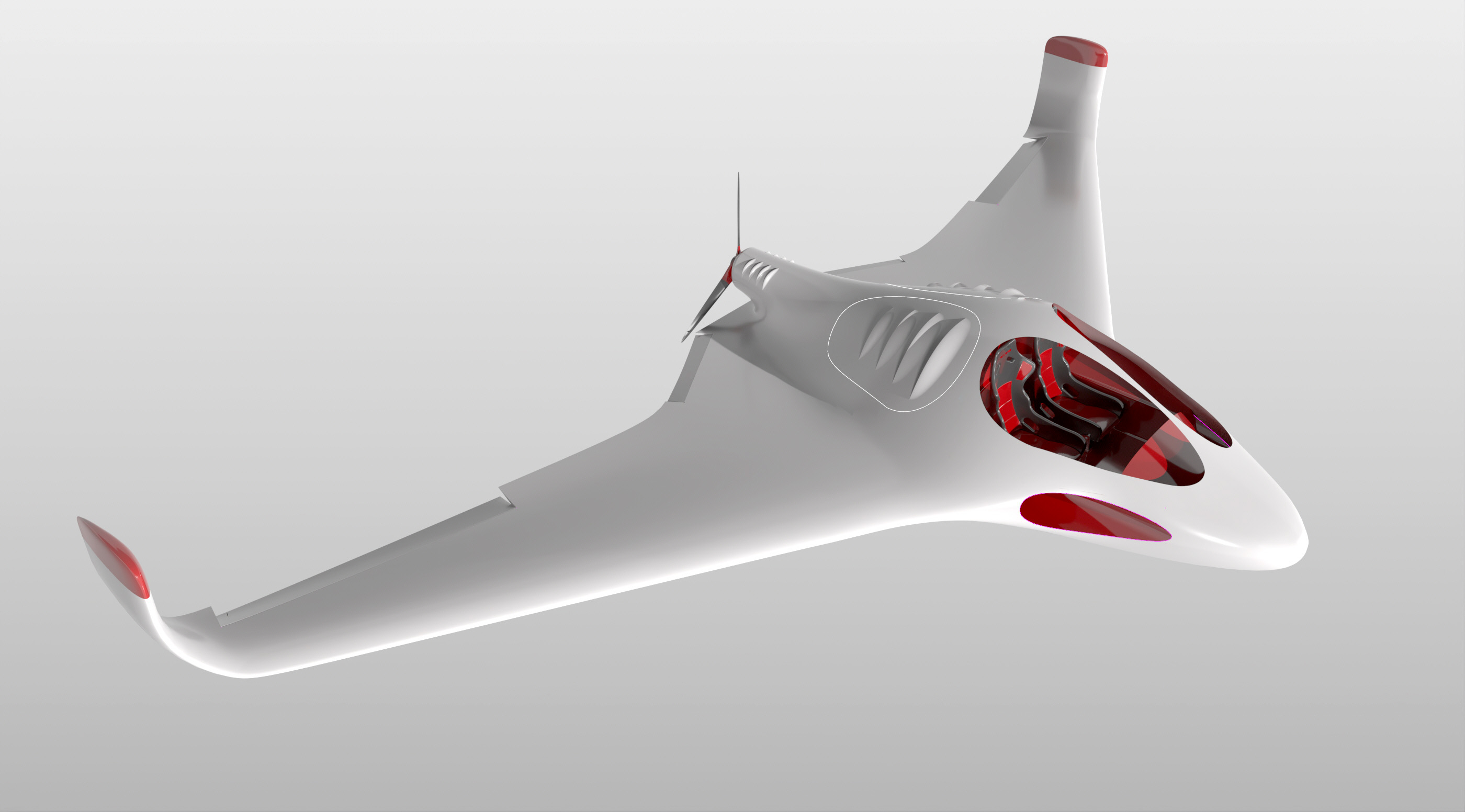
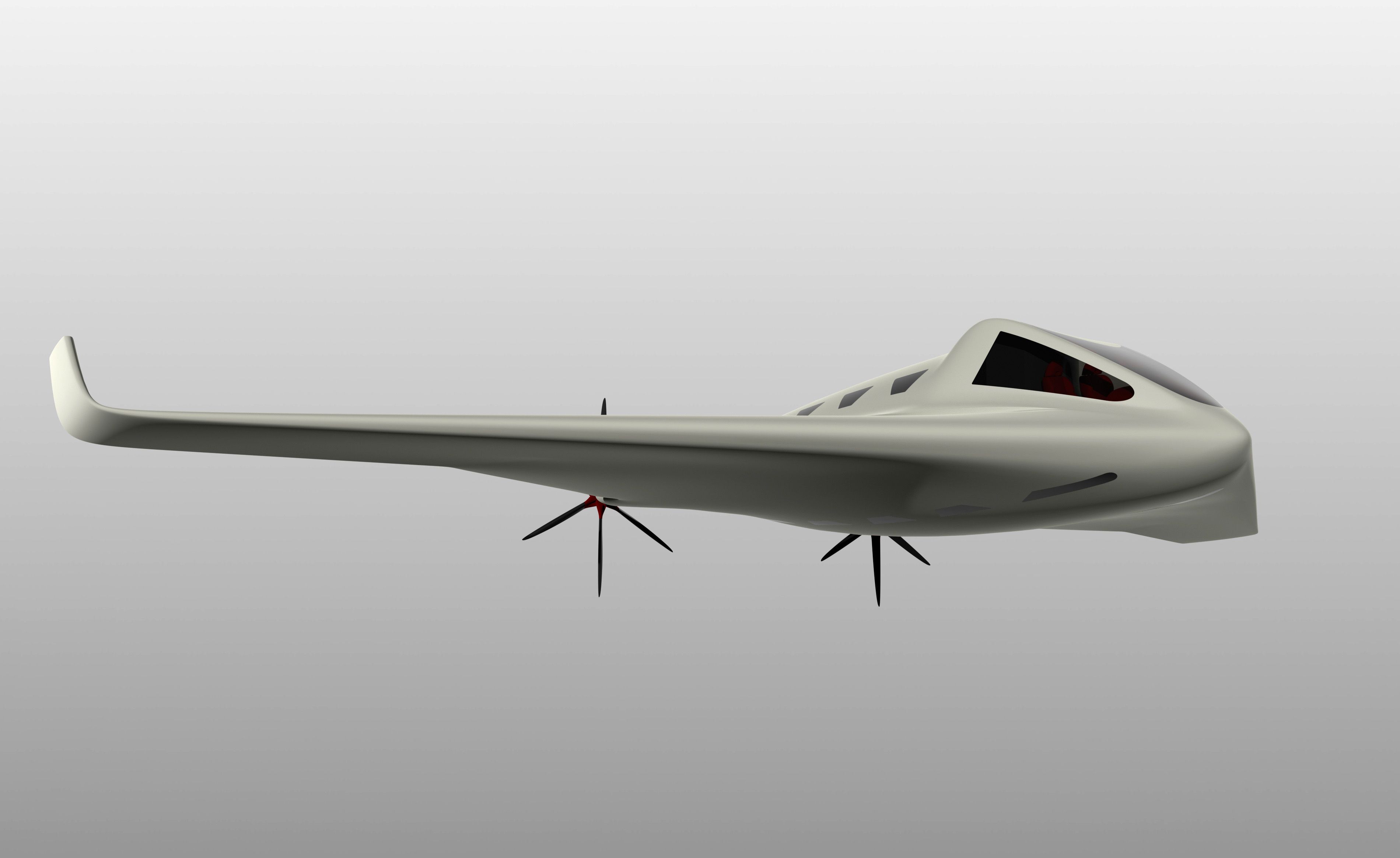
At the same time, the native of Kufstein is involved in another sustainable project that takes him back to Tyrol. “All happy coincidences,” he says. A friend is working on blended wing constructions, in which the fuselage and wings merge. Oliver Irschitz advises him to think bigger, takes on the design and gets involved in a new adventure. Together, the two of them secure funding and gain partners who form an international consortium from industry and research, with whom the team is now developing an energy-efficient prototype for eight passengers.
The designer used to design virtual spaces just as consistently as he now creates real spaces for sustainable future technologies – with the same vision: intuitive, interdisciplinary, thinking bigger.